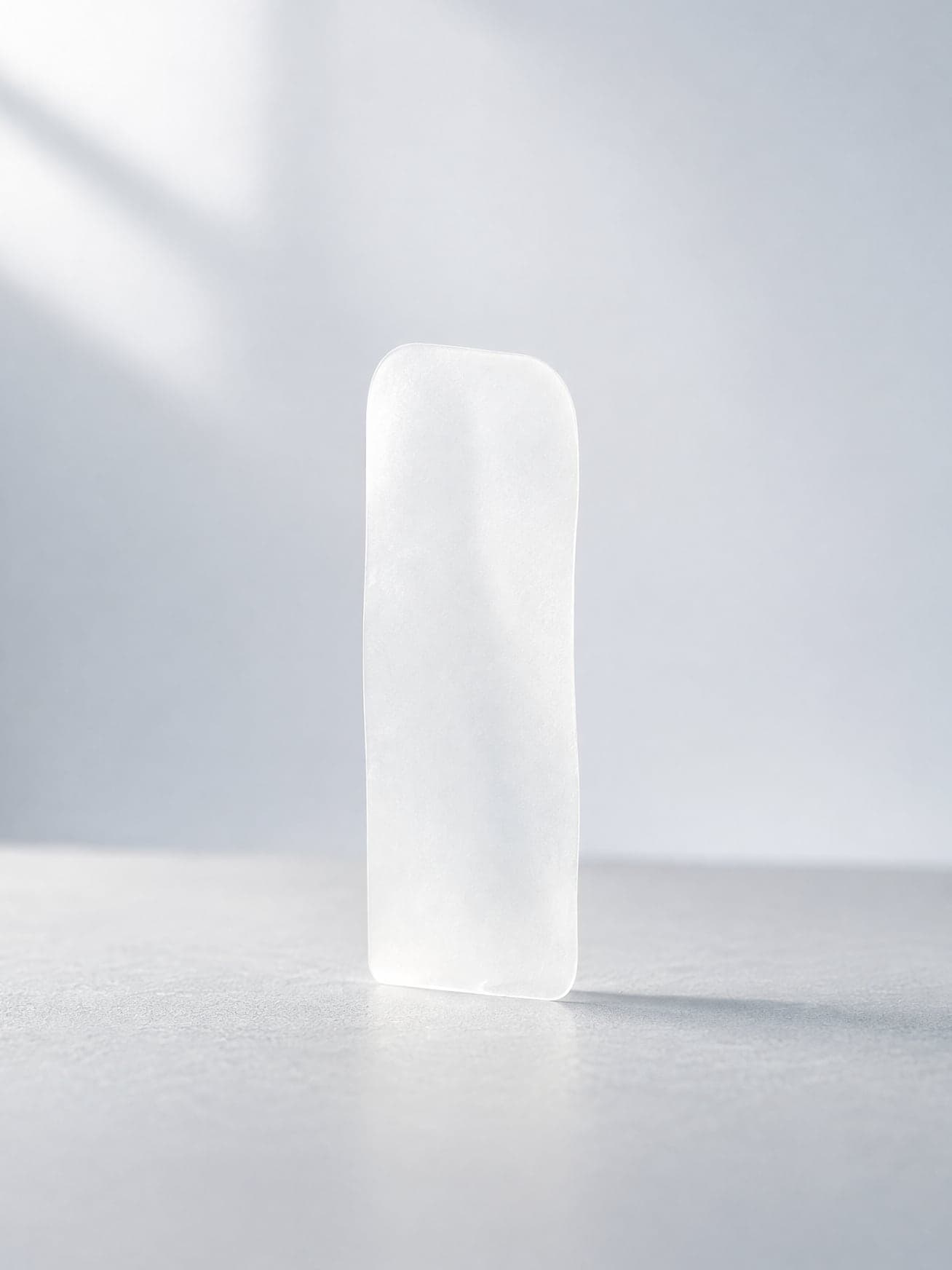
Which front teeth are porcelain veneers for?
They are for teeth where color, shape, or size is the problem but the position is fine.
- Discoloration that does not brighten with whitening
- A small gap between the front teeth
- Narrow undersized teeth (peg laterals)
- Teeth that have only worn down at the edges and become short
I consider porcelain veneers for someone who says, "My front teeth have a gap and the color has stayed dark, so I cover my mouth with my hand when I smile." Front teeth stand out even when the left and right differ only slightly, so I do not just pick a white shade tab; I look at the neighboring teeth and the gumline together. I do not touch healthy teeth just to make them look different. For front teeth, more than for molars, looking natural comes first.
When should front tooth porcelain veneers not be done?
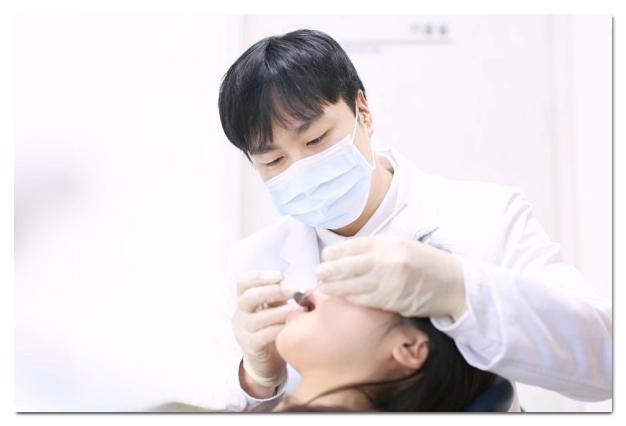
I do not place them on teeth that already stick out. Adding porcelain makes them look like they stick out even more. I also do not place them for a skeletal protruding mouth, and I do not hide rotated or overlapping teeth with prosthetics. I have covered protruding mouths in the article porcelain veneers for a protruding mouth.
With narrow undersized teeth, the nerve is close to the surface, so I do not drill them aggressively. If the tooth sits toward the inside and there is space left, I add material on top; if there is no space, I first move the tooth. Rather than forcing a fit by drilling, creating space first and touching the tooth less keeps it healthy for longer.
When is another treatment better than porcelain veneers?
| Tooth condition | Treatment I consider first |
|---|---|
| Small gap, or only the edge slightly chipped | Composite filling |
| Color and shape both need changing, and the tooth sits toward the inside | Porcelain veneers |
| Wide gap, with enough tooth width | Partial orthodontics |
| Teeth that stick out | Do not add on top |
Composite can fill a small gap or a tooth with only a chipped edge on the same day with almost no drilling, but it tends to discolor over time. Porcelain veneers can change color and shape together, and because they are ceramic, they do not pick up stains easily.
If a wide gap is filled with porcelain alone, the teeth look wide. In that case, I divide up the space with partial orthodontics first and then do as little as possible. For front tooth concerns, a bonded treatment is not always the answer.
How is the color of front tooth porcelain veneers chosen?
Once they are bonded they are hard to change, so the color is decided before bonding. This is also the most common question, because people worry they will look obviously too white. I temporarily try two or three shades of bonding cement, and you check them yourself in a mirror before choosing. I look not only under the treatment room lighting but also in natural light by the window.
The key to looking natural is not cutting out the reddish and yellowish tones of the original tooth but keeping them alive in the layers. The whitest shade tab is not the most beautiful color. The hand-layered method (build-up / Platinum, 0.1mm) can set those tones differently in each layer.
How we handle it at Wonjin Dental
I do not increase the number of teeth to include healthy ones. If your canines show a lot when you smile, I look at their color too; if they hardly show, I do only the front teeth and match the neighboring teeth with teeth whitening. For someone with especially yellow canines, doing only the four front teeth can make the color difference stand out more. The number is decided only as needed by looking at the area of concern and symmetry, so if only two front teeth have a gap, it sometimes ends with two. With front teeth that are chipped and rotated, the balance between both sides has to be matched, so the range can change. Brinate, which is added on without drilling, involves no anesthesia and no temporary teeth.
Frequently asked questions
Do front tooth porcelain veneers hurt?
If the teeth are not drilled, no anesthesia is needed. Even when the teeth are shaped lightly, the pain is usually not severe.
Do porcelain veneers change how I pronounce words?
When thickness is added, sounds like “s” may feel awkward for the first few days, but most people adjust. It is important to design them so the thickness and length are not excessive.
Do porcelain veneers need ongoing care once they are done?
Ceramic does not decay, but the edges and the gums beneath them still need care. Floss all the way to the edge line, do not bite through hard things with your front teeth, and have the edges and bite checked at regular checkups.
Should I get whitening before front tooth porcelain veneers?
If you want the neighboring teeth to be brighter to match, do whitening first, and decide the veneer color after the color has stabilized. Once the porcelain veneers are bonded, whitening does not change the color of the porcelain.