Clear alignersClear orthodontics · Clear aligners
- Scope
- Depends on your teeth
- Appliance
- Clear trays
- Removable
- Yes
- Per day
- 22 hours
- After treatment
- Retainer
- Cost
- Explained after your exam
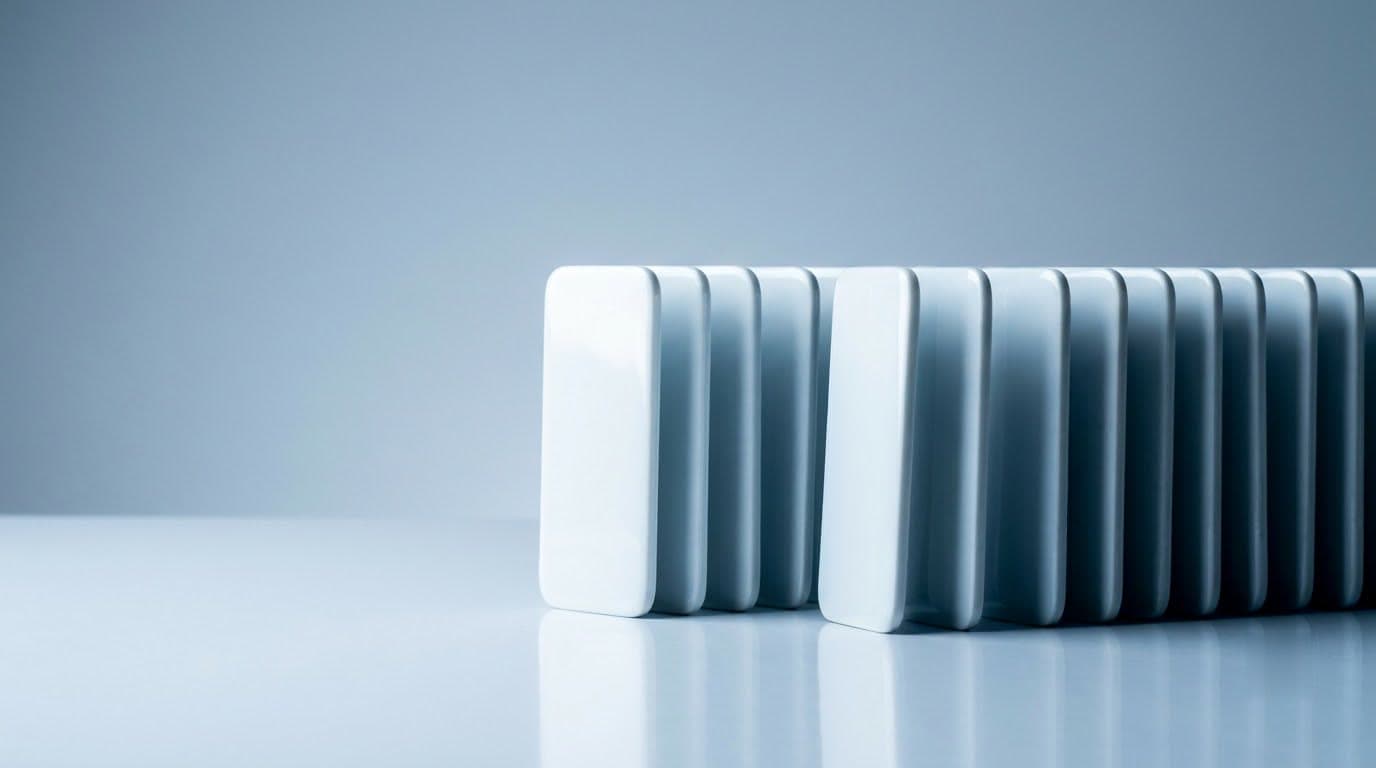
Clear aligners move your teeth with clear trays that you wear over them. Nothing is attached to the tooth surface, and when you take the trays out, your own teeth show as they are.
They are hard to notice and easy to clean. In return, you need to wear them close to 22 hours a day, and treatment falls behind by however long they stay out.
The trays do not decide how many teeth to move. Whether the front teeth alone are enough, or the jaw also needs to be considered, is judged by the same standard as partial orthodontics. The trays decide how teeth move, not how far they move.
Advantages of clear aligners
Hard to seeOnly the edge of the tray shows slightly, so they are less noticeable than braces attached to the front teeth.
RemovableYou take them out to eat and brush. Unlike bonded braces, there is no need to clean between the teeth and the appliance.
Wear time is treatment timeYou need to wear them close to 22 hours a day, and treatment falls behind by however long they stay out. How long treatment takes depends on wear time.
How clear aligner treatment works
Nothing is bonded to your teeth. Wear time is treatment time.
- 01
We set the range of movement
First we check whether moving only the front teeth is enough. The range is set before the trays are made. If the case goes beyond that range, we do not simply fit trays and proceed.
- 02
We make the trays
We take impressions of your teeth and make a series of trays to switch in order. There is more than one tray. Each one moves the teeth a little, and the next one takes over.
- 03
You switch trays
You wear each tray for the number of days we give you, then move to the next. While a tray is out, it is not moving your teeth. Any delay pushes the next tray back by the same amount.
- 04
You wear a retainer
Teeth that have been moved tend to drift back. Care after treatment is part of treatment. This is the same as with partial orthodontics.
How much to move
For front teeth, how much is moved depends on what you want to change. We start with the cases where nothing needs to move.
Nothing moved
This is when the teeth look like they stick out because of their length or a difference from the teeth next to them. The position is fine, and moving them would make them tilt back or look shorter. In this case we first suggest shaping the corners and length, or a treatment that adds on top without removing anything.
Only a few front teeth moved
This is when the jawline looks natural but only the front teeth are tilted or spread apart. Instead of putting appliances on every tooth, we pull just the few teeth involved. Your own teeth are kept as they are, with nothing removed. But it takes a few months, and you will need to wear a retainer after it is done.
Moved with a removable appliance
The way the teeth are moved is the same; only the appliance differs. You wear clear trays and switch to the next one in a set order. They are hard to notice, and you can take them out to brush, so care is easy. But you need to wear them close to 22 hours a day, and treatment is delayed by however long they are out.
The jaw needs to move
This is when it is hard to close your lips comfortably and the whole mouth area sits forward. Pushing only the teeth back leaves the bone where it is, so the teeth tilt back unnaturally. This is beyond what moving teeth alone can solve, so rather than stopping at partial orthodontics or clear aligners, we tell you right away.
How many hours a day do I wear them?
Close to 22 hours. You take them out only to eat and brush, and treatment falls behind by however long they stay out.
Do I take them out to eat?
Yes, take them out to eat. Brush your teeth and clean the trays before putting them back in. Eating with them in will warp the trays.
Does it hurt?
For a few days after switching to a new tray, you will feel some pressure. No teeth are shaved down, so no anesthesia is used. Let us know if the discomfort is strong.
How long does it take?
It takes several months. The length depends on how many teeth move and how far, and it gets longer with less wear time. If you have a fixed date, we plan backward from that date.
Why do I need a retainer?
Teeth that have been moved tend to drift back. If you leave the retainer out after treatment, gaps that were closed open up again. It works the same way as with partial orthodontics.