Composite fillingTooth-colored filling · Composite filling · Filling

- Same day
- Done the same day
- Time
- 10 minutes
- Anesthesia
- None
- Visit interval
- None
- Lifespan
- 1–3 years
- Cost
- Explained after your exam
A composite filling fills a decayed spot with material the same color as your tooth. We remove the decayed part, place the material directly into the space, and harden it right away with a special light.
Inlays and crowns are made in a lab from an impression and then bonded in place. Composite resin is shaped right in your mouth. So it is done the day you visit, and less healthy tooth is removed. It is not used for large cavities, though.
This page covers cavities in back teeth. The same material is used on front teeth, but front teeth are visible, so matching color and translucency is half the work. Front teeth are covered separately under resin veneers.
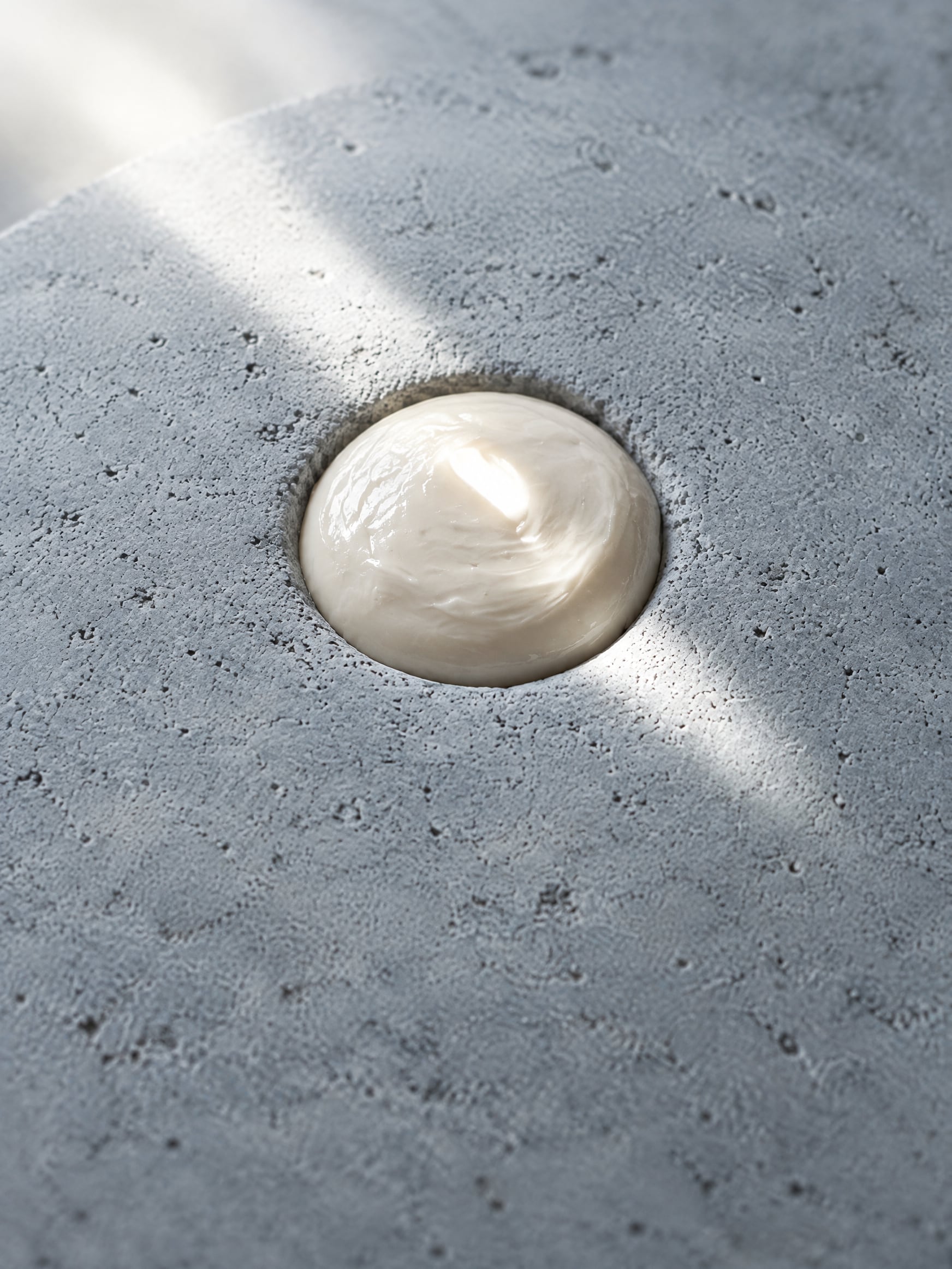
Why composite resin
Minimal drillingOnly the decayed part is removed and the healthy part stays. Unlike treatments that are made from an impression and fitted in, the edges do not need to be shaped straight, so the least amount of tooth is removed.
Done the same dayNo impression is needed. The material is placed on the spot and hardened with light. You can chew right away on the day of your visit, and there is no need to come back for a check.
No anesthesiaThe area treated is shallow, so no anesthesia is used and you will feel very little. If anything feels sensitive during treatment, tell us right away.
How a composite filling is done
No impression is needed, so it is done the same day. Each tooth takes about 10 minutes.
- 01
We check how far the decay goes
The inside is often wider than the hole you see on the surface. First we check how far the decay has spread.
- 02
We remove only the decayed part
The healthy part stays. The space ends up wider than the hole you could see because the decay had spread sideways underneath.
- 03
We add thin layers
The tooth-colored material is added in several layers, each hardened with light. Filling it thick all at once makes it shrink as it hardens, and the edges lift.
- 04
We adjust the height
We smooth the surface, have you bite down, and trim any high spots. Once this is done, you can chew the same day.
What each stage of a cavity needs
Two cavities can need different treatment depending on how far each has gone. We decide by how much of the inside of the tooth has broken down, not by the size of the hole you can see.
Stage 1 · A small cavity
The decay is still in the outer layer (enamel), or has only just reached the layer below. The outer layer has no nerves, so it does not hurt, and few people notice a cavity at this stage. The walls around it are intact, so we remove only the decayed part and fill it right away. This is the stage where the least tooth is removed.
Stage 2 · A large cavity
The layer under the enamel is much softer, so the decay spreads sideways. The opening stays narrow while the inside widens, and cold things start to sting. Once it is this wide, a filling placed directly in the mouth cannot hold up to chewing and starts to separate at the edges. So we take an impression and make a piece that fits exactly, then set it in place.
Stage 3 · A cavity with a broken wall
One of the cusps on the chewing surface has broken off entirely, and there is no wall left to fill against. This is the stage where a tooth cracks while you are chewing. Whatever we fill it with, the force lands on one side, and the same spot breaks again. We shape what is left and cover the whole tooth so it takes force evenly.
Stage 4 · A cavity that has reached the nerve
It throbs even when you are doing nothing, and it gets worse at night. The nerve is sealed inside the hard tooth, so when it swells the pressure has nowhere to go, and the pain is severe. First the nerve inside the tooth has to be treated. A tooth that has been hollowed out breaks easily, so it is covered afterward. This is the only stage that needs two treatments.
Root canal treatment, then a zirconia crown
Does it hurt?
We do not use anesthesia. The area treated is shallow, so you will feel very little. If anything feels sensitive during treatment, let us know.
How many visits does it take?
Just one. Unlike inlays or crowns, which are made from an impression, it is filled on the spot and hardened with light. There is no need to come back for a check.
Can I eat right away?
Yes. It is hardened with light, so it is already firm right after treatment. You do not need to wait for it to set.
How long does it last?
It depends on how you care for it. Composite resin itself does not decay, but a large filling can chip, and without good care a new cavity can form next to the material.
Can it be redone?
Yes. The old filling is removed and the space is filled again. But each time, a little more tooth is removed. Redoing the same spot many times eventually leads to a bigger treatment.
Related treatments
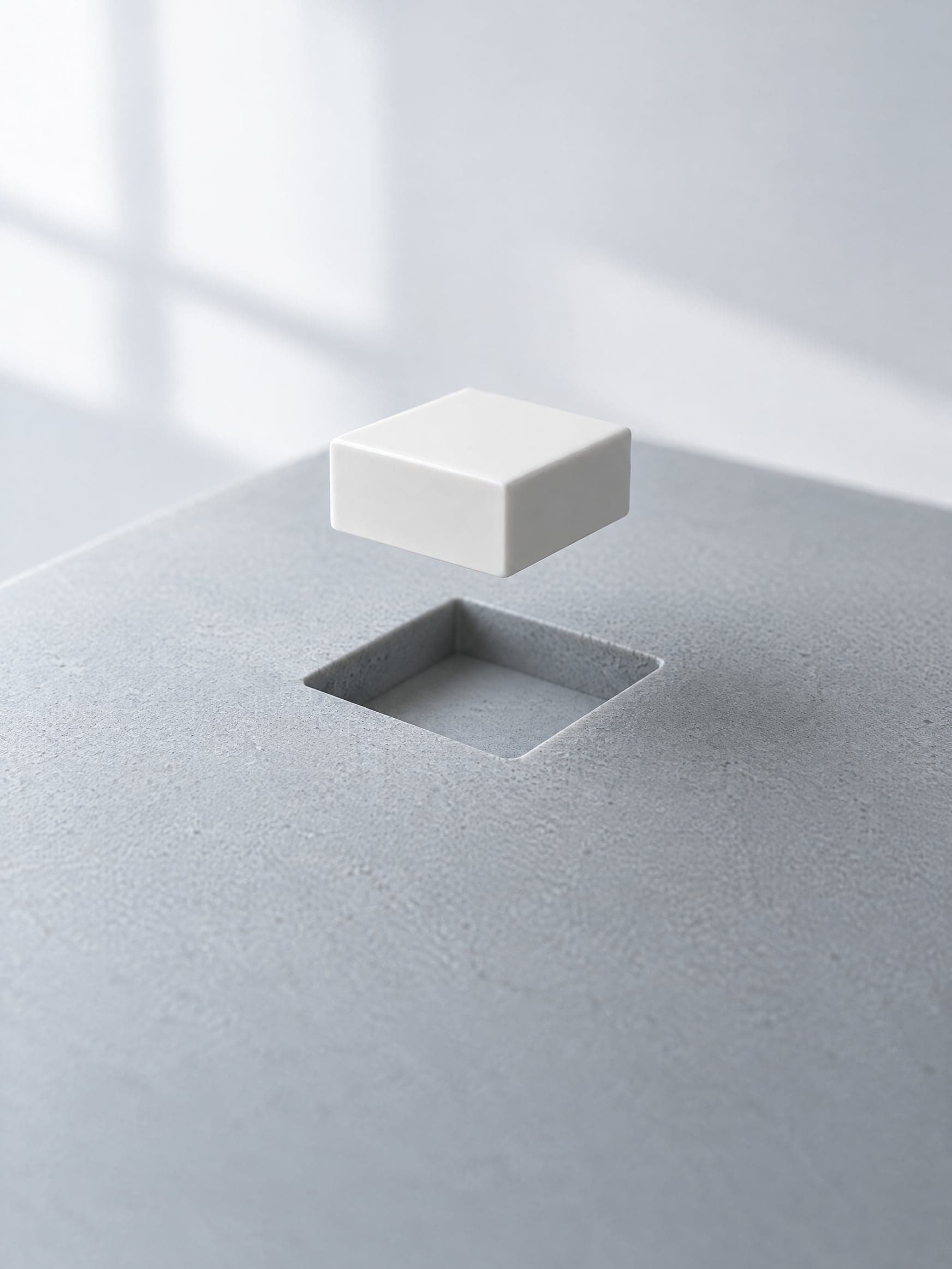 InlayFor cavities too large for composite resin. A piece made from an impression is fitted in.
 Zirconia crownA back tooth with a broken wall is covered all the way around.
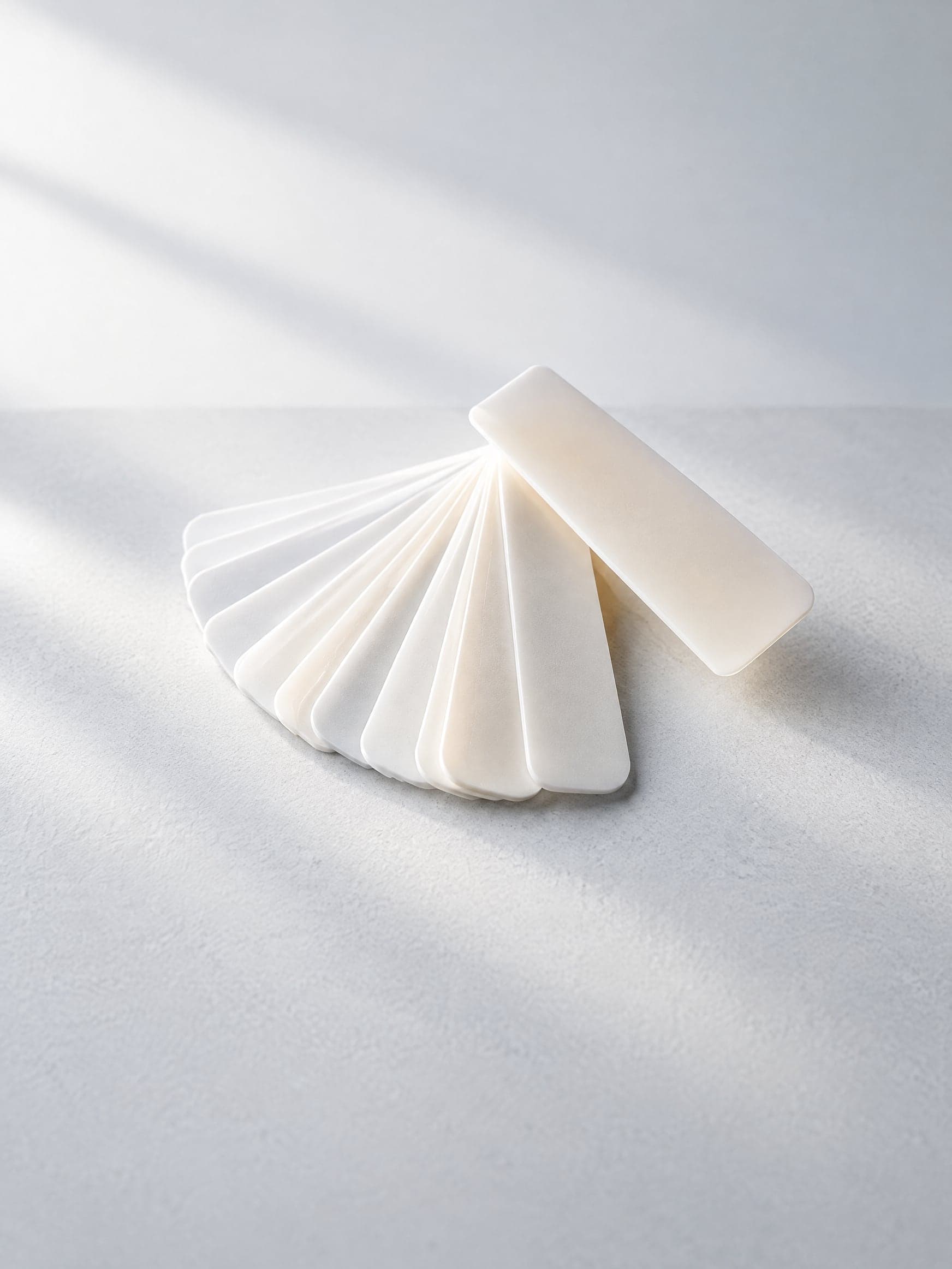 Resin veneerFront teeth are treated with resin veneers. Matching color and translucency is half the work, so they are covered separately.