Porcelain veneerFront tooth veneers · Laminate veneers
- Same day
- Possible
- Shaping
- A little, front only
- Thickness
- About 0.3mm
- Anesthesia
- Depends on the tooth
- After treatment
- Cannot be undone
- Cost
- Explained after your exam
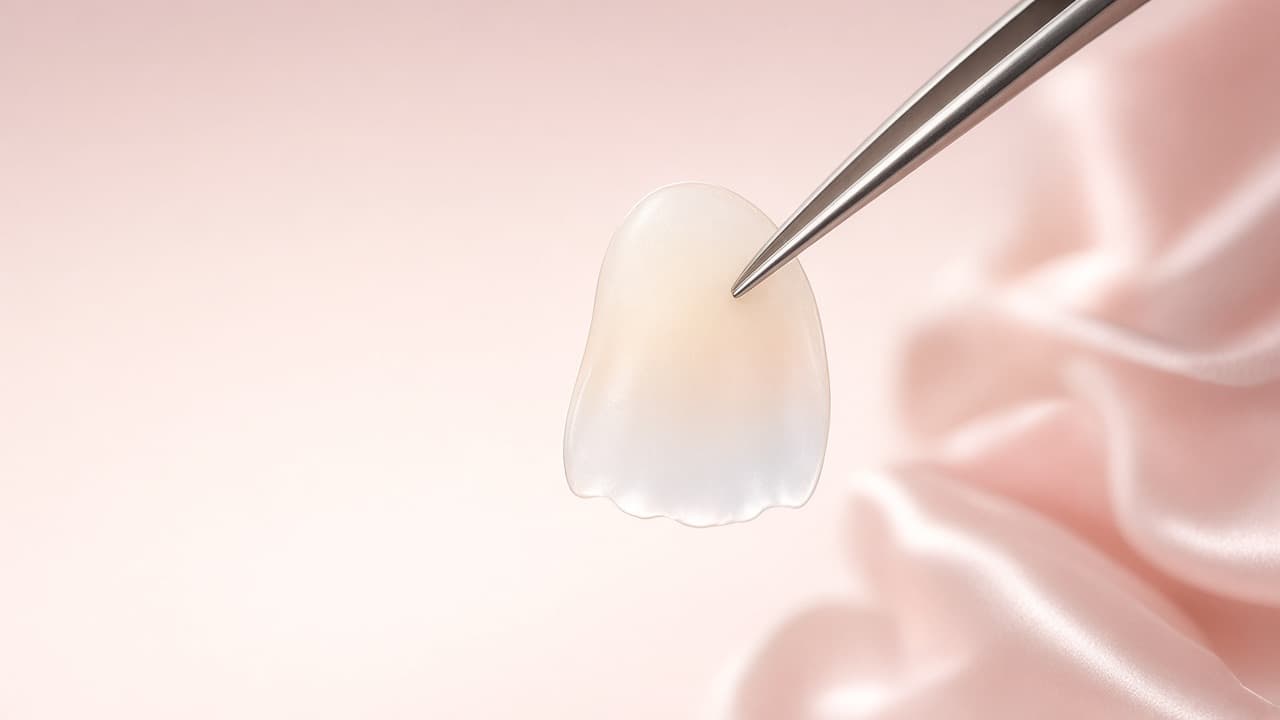
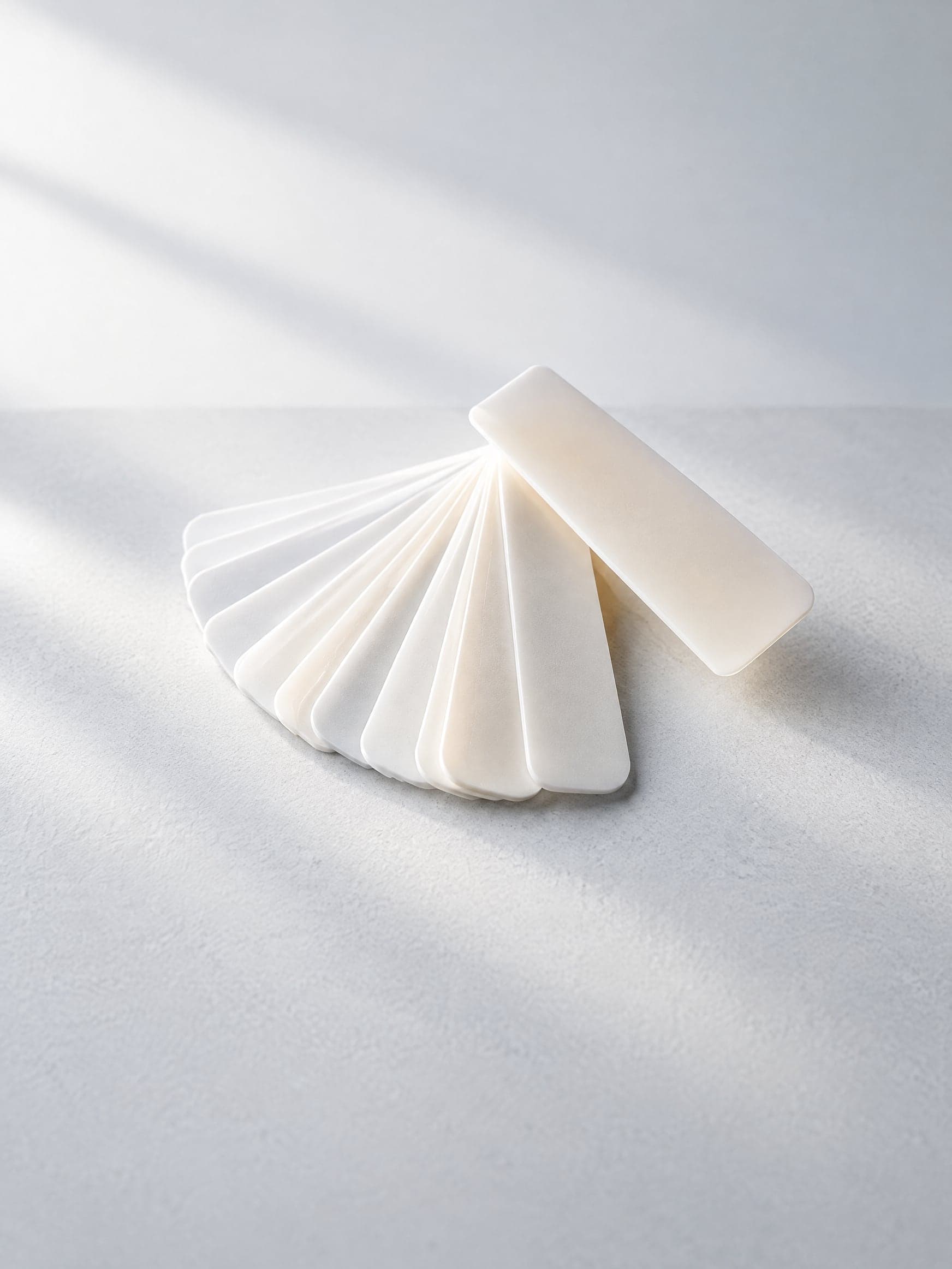
A porcelain veneer lightly shapes the front of the tooth, then bonds a thin sheet of porcelain to it. At Wonjin Dental Clinic, the veneer is pressed from a block of porcelain into a sheet of about 0.3mm, and color is applied to the surface.
Because it is pressed, the results are consistent and it is quick to make. In return, a sheet is about 0.3mm, so the front surface is shaped to make room for that thickness. Shaped enamel never grows back.
It is used when the teeth already stick out, or the color is so dark that a thin cover will not hide it. If the tooth can take a veneer placed on top without shaving, we look at hand-layered Brinate first.
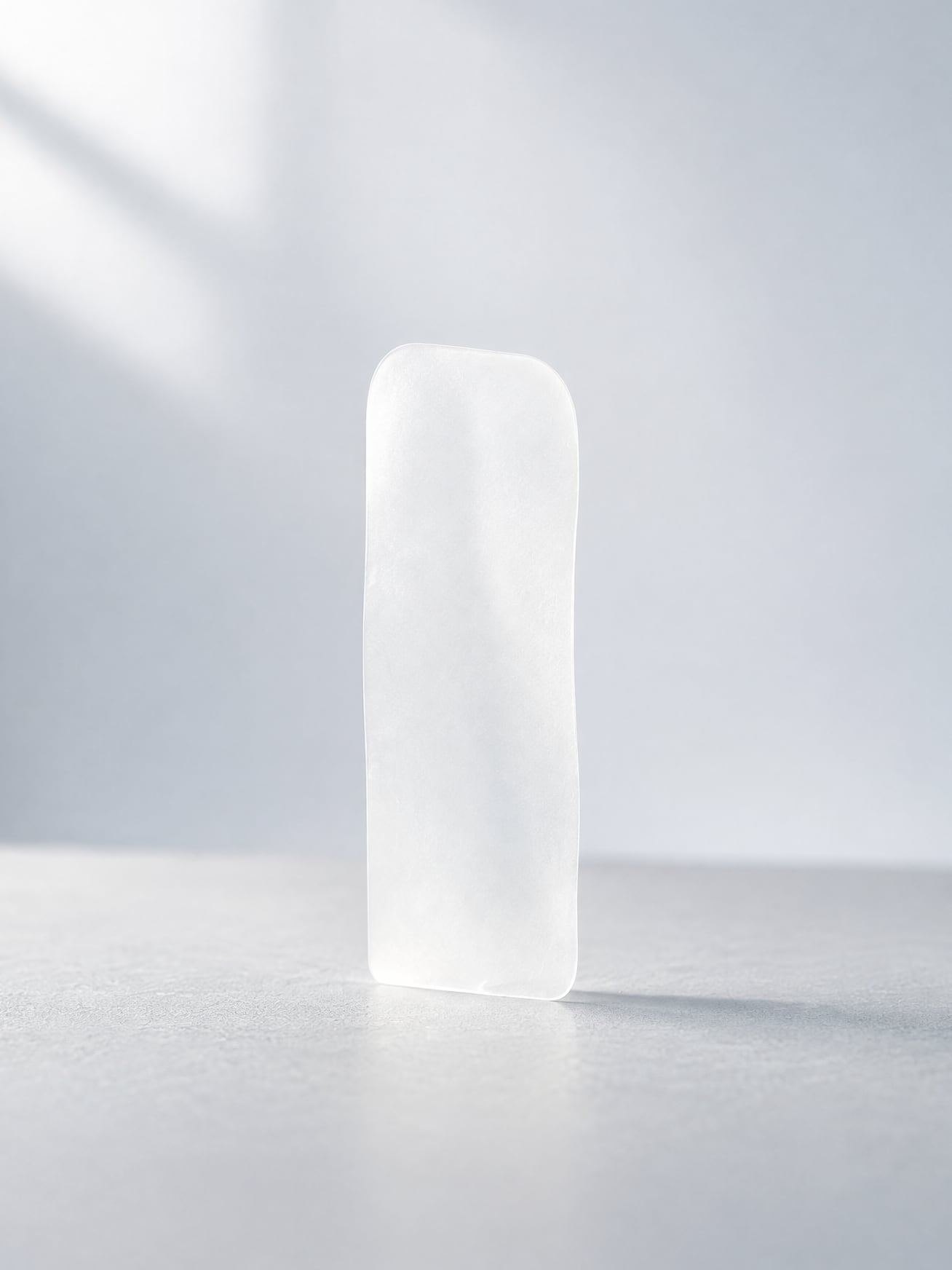
Advantages of porcelain veneers
QuickPressed from a mold, so it is quick to make. On days when it is possible, it is bonded the same day.
Consistent resultsEach sheet is pressed the same way, so the thickness and shape come out even.
Only the front is shapedUnlike a crown, which is shaped all the way around, only the front is shaped, just enough to fit one sheet.
How porcelain veneers are done
The front is lightly shaped, then a pressed sheet is bonded.
- 01
We check whether placing on top is enough
First we check whether the tooth needs shaping at all. If not, we recommend Brinate.
- 02
The front is lightly shaped
The front is shaped just enough for a sheet of about 0.3mm. Shaped enamel cannot be restored.
- 03
The sheet is pressed
We take impressions, press a sheet from a block of porcelain and apply color to the surface. On days when it is possible, it is made the same day.
- 04
It is bonded
The finished sheet is bonded where the front was shaped, bringing the tooth back to its original thickness.
Choosing by how much is removed
For front teeth, how much tooth is removed depends on what you want to change. We start with the cases where nothing needs to be removed.
Nothing removed
This is when color is the only issue. If you like the shape and size but the teeth look yellow overall, there is no reason to remove anything. The tooth stays as it is, and we lighten the color inside it. Only the color changes, so any gaps or shape stay the same.
Added on top, nothing removed
This is when the teeth sit slightly inward or are small, so coming forward a little is fine. Without removing anything, we add a thin layer over the tooth. If you do not like it, it can be taken off. But the tooth becomes thicker by that layer, so we do not do this on teeth that already stick out.
A thin layer removed from the front
This is when the teeth already stick out, or the color is so dark that a thin cover will not hide it. We shape the front surface by the thickness of what will be bonded, then bond it there. Once bonded, the tooth is back to its original thickness. But a tooth that has been reduced cannot be restored to how it was.
Removed all the way around
This is when a front tooth is badly broken, or little of it remains after root canal treatment. The front layer alone does not leave enough to bond to, and even if we bond something, the remaining tooth breaks first. We shape the front and back all the way around and cover the whole tooth so it takes chewing force evenly.
How is it different from Brinate?
How it is made, and whether the tooth is shaped. A porcelain veneer is a pressed sheet of about 0.3mm, bonded after the front is lightly shaped. Brinate is layered by hand to 0.1mm or less and placed on top without shaving.
In return, a porcelain veneer is quick to make and can be done the same day, while Brinate takes 1 week (Platinum takes 2 weeks). Which one suits you is decided after we look at your teeth.
How much is shaved?
Only the front, just enough to fit one sheet. That is far less than a crown, which is shaped all the way around, but shaped enamel never grows back.
Can it be done the same day?
On some days yes, on some days no. Pressing is quick, but depending on the day, it is bonded at the next visit. If you have a set date, please tell us first during consultation.
Does it hurt?
Only the front is lightly shaped. Whether anesthesia is needed is decided after we look at the tooth. If it feels sensitive during treatment, please tell us.
Can it be removed again?
The bonded porcelain can be replaced, but the shaped front does not come back. If it is removed, the shaped area shows, so it has to be covered again.