What do you look at first at an orthodontic consultation?
I look at the bite before the alignment. “What's the best way to do orthodontics?” is the first question I'm asked most often, but alignment isn't the only thing orthodontics changes. How the upper and lower teeth meet and where force goes when you chew also change, so unless you first decide where the teeth need to move for function to be stable, chewing can become uncomfortable even when the teeth are straight.
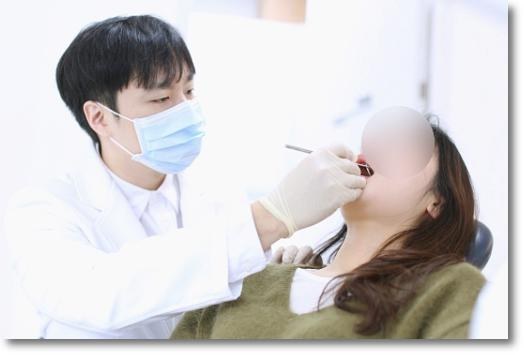
- Bite: how the upper and lower teeth meet, and whether force is concentrated on one tooth
- Alveolar bone and gums: whether there's enough bone in the direction of movement, and whether there's inflammation
- Skeleton and face: jawbone position, lip protrusion, left-right balance
- Jaw joint: whether there's clicking or pain when opening the mouth
For this, we look at photos, X-rays, and dental models. When force concentrates on certain teeth, it strains the jaw joint and causes teeth to move again after treatment, so I don't start a plan that wasn't given time at diagnosis.
Which movements should I be told aren't possible?
The following are movements that can't be done no matter which appliance you switch to, so you should hear about them first at the consultation.
- Solving a problem with the position of the jawbone itself by moving only the teeth
- Forcing teeth toward a direction where the alveolar bone is thin
- Doing large root movements that are hard for clear aligners with clear aligners alone
- Covering protruding crooked teeth with porcelain veneers to change their position
I say first what can't be done. A consultation where you hear this first ultimately lowers the chance of failure.
Are there cases where porcelain veneers are a better fit than orthodontics?
If there's no major problem with the bite and you only have gaps between the front teeth, chipped or worn edges, or small teeth (undersized teeth), porcelain veneers are sometimes the right fit. Orthodontics deals with position and bite; porcelain veneers deal with shape and color. Partial orthodontics often takes a few months and full orthodontics a year and a half or more, while porcelain veneers usually take from the same day to around 2 weeks. However, I don't place them on teeth that stick out, and I don't recommend plans that require a lot of trimming. There's no need to solve every front-tooth shape concern with orthodontics, nor all with porcelain veneers. The order is covered in Porcelain veneers after orthodontics.
How is the appliance chosen?
| Movement needed | Appliance |
|---|---|
| Less visible, and movement isn't large | Clear aligners (wear time determines the result) |
| Large movement or precise angle control | Fixed braces |
| Moving only some front teeth | Partial orthodontics (after checking bite and space) |
| A direction the bone can't support | Not done |
The pros and cons of each appliance are covered in Comparing types of orthodontics. Duration is determined by the amount of movement, so I don't write down a number as a promise. Even after treatment, teeth try to return to where they were, so the type of retainer, how long to wear it, and check-up intervals need to be in the plan from the start.
How we do it at Wonjin Dental
At the consultation, I look at the bite, jawbone position, facial balance, jaw joint, and gums and alveolar bone together, rather than just alignment. If a movement can't be done with clear aligners, I discuss fixed braces; if bonding veneers would make the teeth stick out more, I discuss moving them instead. The orthodontic diagnosis is ₩100,000, and fees for each appliance are in the full fee list. The front desk handles scheduling and payment, but I tell you directly which movements can't be done. Especially for adults, when to start and how far teeth can move depend on the condition of the gums and alveolar bone.
Frequently asked questions
What should I bring to an orthodontic consultation?
If you have previous orthodontic records or X-rays, bring them, and it helps to write down beforehand the smile you want and anything that bothers you. Please also tell us about medications you take and any history of gum treatment.
Does it hurt a lot when braces are first put on?
For 2–3 days after placement or adjustment, there's often soreness or a feeling of pressure, which usually eases as you adapt. Pain severe enough to disrupt daily life is relatively rare.
Do I have to start on the day of the consultation?
No. You can decide after hearing the diagnosis and plan and thinking it over. If there's gum inflammation, we treat it first and then start.
Can I get orthodontic treatment if my jaw clicks?
If there's only clicking, without pain or limited mouth opening, orthodontic treatment is often possible. If there's pain or your mouth doesn't open well, we first look at the condition of the jaw joint and then decide on the plan.