What is the difference?
| What to look at | Resin build-up | Build-up laminate |
|---|---|---|
| Material | Resin (a tooth-colored plastic material) | Porcelain |
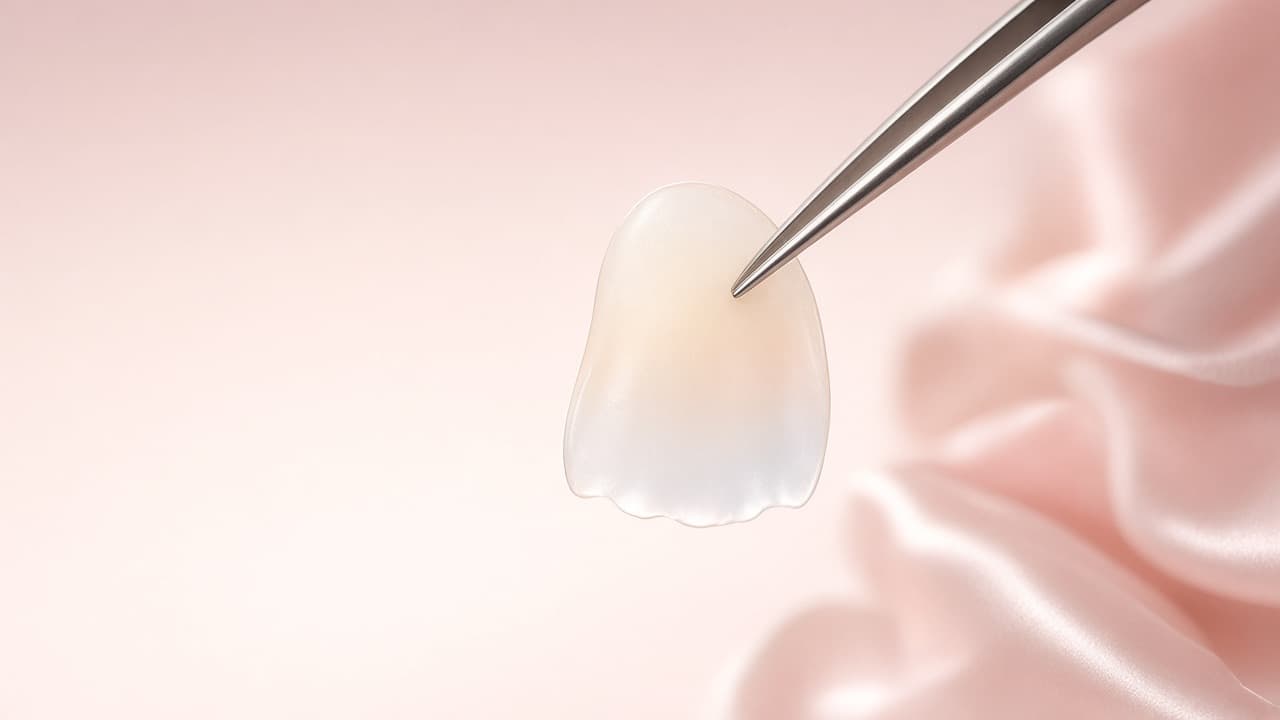
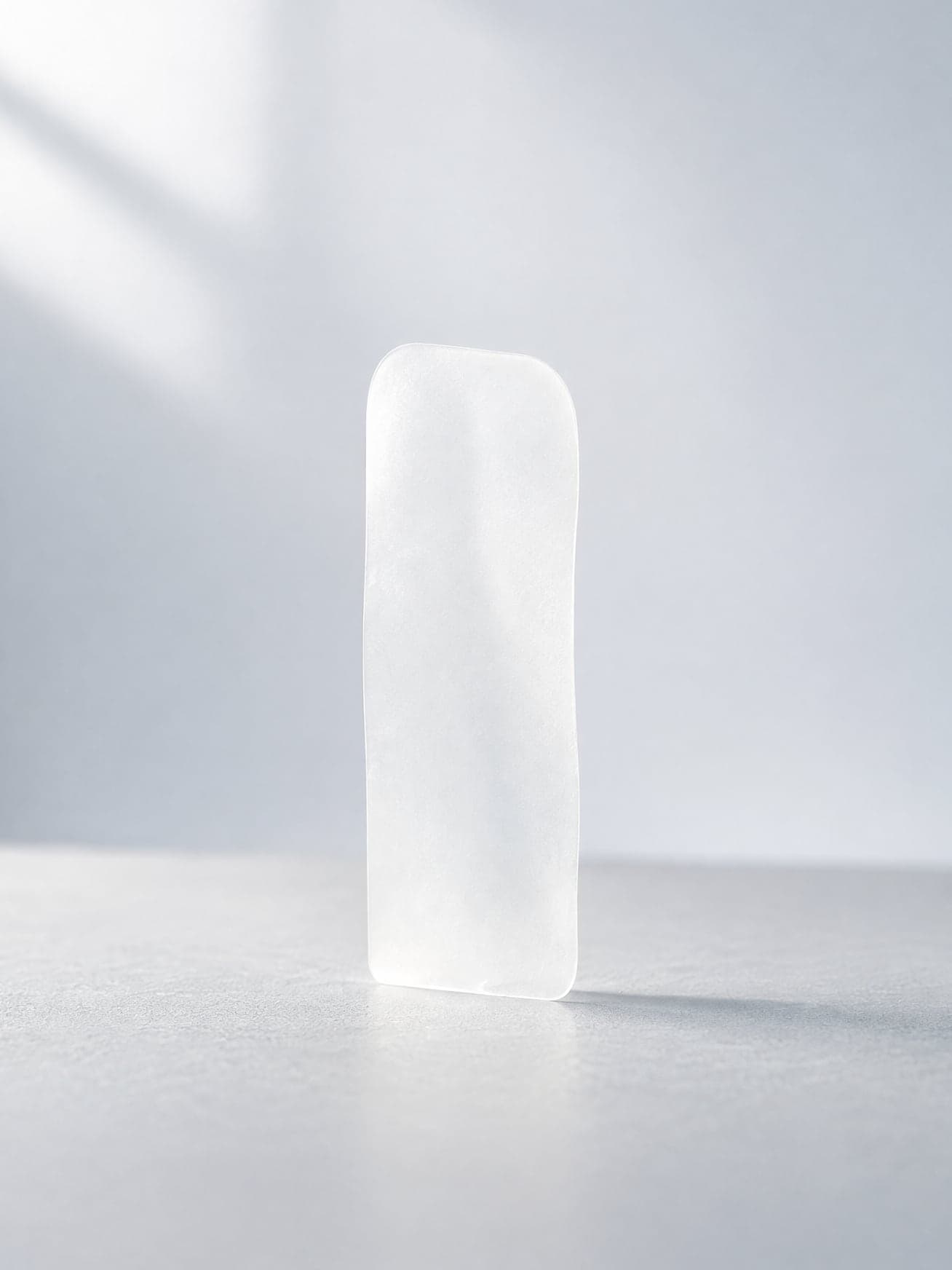
| What it does | Fills a chipped or decayed spot to restore its shape | Bonds a thin sheet to the front of a front tooth to change color and shape |
| Where it is made | Placed and hardened directly in the mouth in the treatment room | Layered and fired by a technician, then bonded |
| Time | Finished on the spot | Build-up about 1 week, Platinum about 2 weeks |
In dentistry, "build-up" was first used in this sense, building up a broken-down spot. The "core build-up" that forms a base before a crown is the same word. The "build-up" in build-up laminate means building porcelain up one layer at a time.
Which one is used for a chipped front tooth?
It depends on the size and location of the chip. If just the edge is chipped, we shape it on the spot with front-tooth resin; if you also want to change the color and shape, we look at veneers. If little tooth is left, one sheet on the front is not enough, and we look at a front-tooth crown. In a systematic review of 25 studies covering more than 75,000 front-tooth resin restorations, annual failure rates were reported across a wide range, from 0% to 27% depending on the study, and the most common cause of failure was fracture[1]. Small resin restorations that filled only the surfaces between teeth failed less than other types[1]. For porcelain veneers, a 2025 meta-analysis of 29 studies found that about 94–97% were still in place after a little over 10 years, depending on the material[3].
How we do it at Wonjin Dental
Brinate at Wonjin Dental is a build-up laminate. It is layered by hand to 0.1mm or less and placed without shaving. Build-up takes about 1 week and Platinum about 2 weeks, at ₩550,000 and ₩990,000 per tooth (as of September 2026, VAT included).
If you heard the word "build-up" during a consultation, we will first confirm which treatment it refers to.
Frequently asked questions
Can a build-up laminate be bonded to a tooth that has a resin build-up?
If the resin covers a large area, the porcelain bonds to resin instead of enamel, and the bond is different. A literature review of veneer studies also found that the more dentin is exposed, the lower the success rate, and advised keeping exposed dentin to a minimum[2]. We decide after looking at the size and location of the resin.