Why does scaling hurt?
Scaling is a treatment that breaks up and removes tartar with an ultrasonic vibrating instrument. What you feel is mostly the vibration, the coldness of the water, and a slight sensitivity. The pain is greater in the following cases.
- Gum inflammation: swollen gums hurt and bleed with even a small stimulus.
- A lot of old tartar: tartar that has been put off for a long time is hard and attached below the gum line.
- Exposed roots: if the gums have receded and the root surface is exposed, the sensitivity is strong.
- Sensitive teeth: teeth that are usually sensitive to cold water are also sensitive during scaling.
So the more regularly you have it every year, the less scaling hurts. The longer you put it off, the more it hurts.
How can scaling pain be reduced?
- Before starting, mention any past painful experiences or sensitive teeth.
- If it hurts, raise your hand to pause for a moment. The water temperature or instrument strength can be adjusted.
- If you usually have sensitive teeth, using a desensitizing toothpaste for 1 to 2 weeks beforehand helps.
- If the pain is severe or there is a lot of tartar deep under the gums, we sometimes proceed with topical or local anesthesia. Ask about available options at your consultation.
Why do I need scaling?
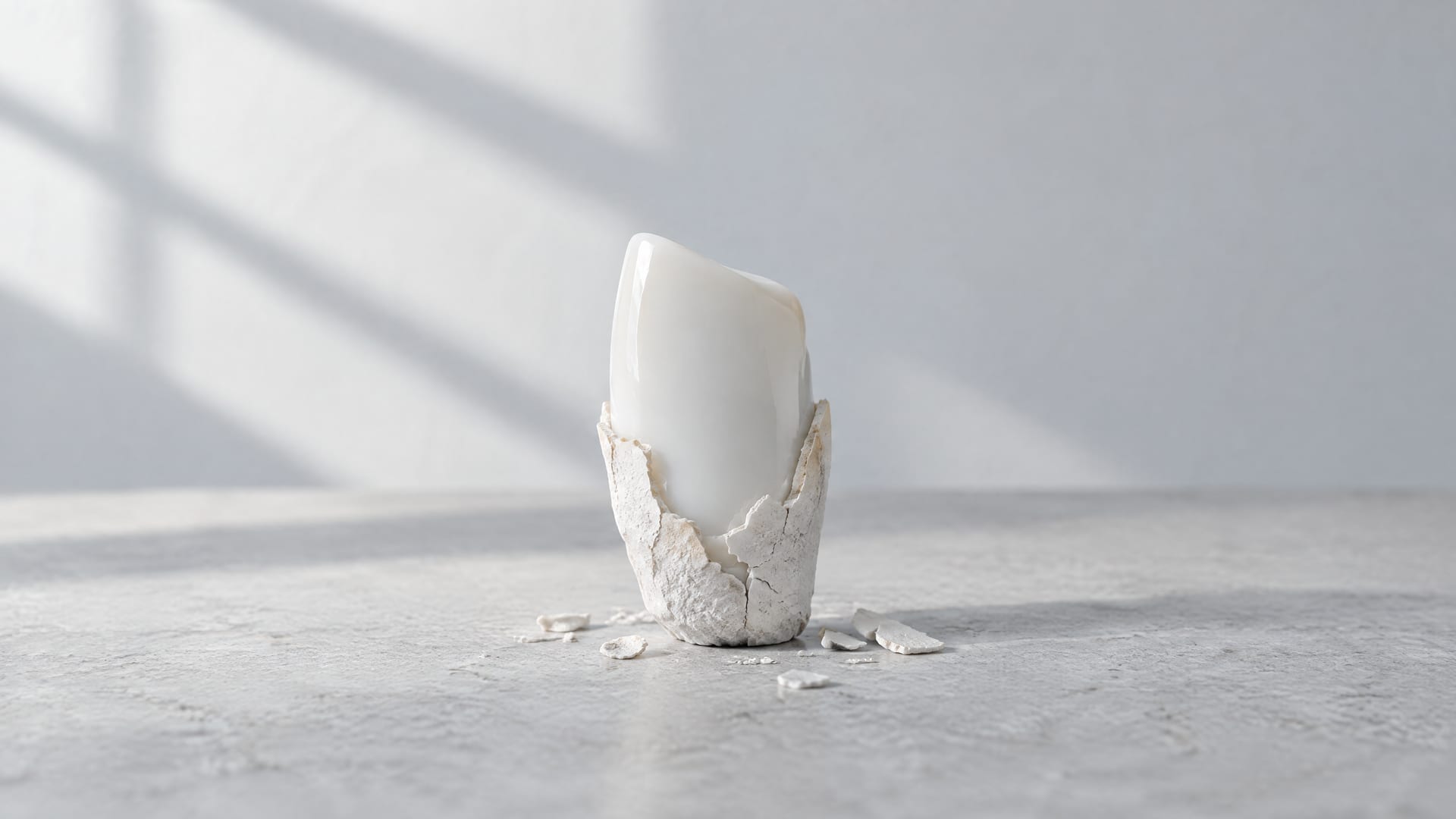
Because tartar doesn't come off with brushing. Tartar is what forms when components in saliva stick to plaque and harden like stone, and its rough surface makes bacteria stick even more easily. If tartar is left as is, gum inflammation progresses to periodontitis (gum disease), and the bone supporting the teeth dissolves. Why tartar forms and how often scaling is appropriate are covered separately in Why does tartar form, and how often should I get scaling?
Reduced bad breath, gum bleeding that stops, and finding cavities or cracks that had been hidden by tartar are also benefits of scaling. On the other hand, scaling alone can't remove tartar deep under the gums, so if the gum pockets are deep, separate gum treatment is needed. Smokers, people with diabetes, and those in orthodontic treatment or with many restorations build up tartar quickly, so a 6-month interval is often appropriate.
How many days do sensitivity and bleeding last after scaling?
| Symptom | Usual duration | See us again if |
|---|---|---|
| Gum bleeding | Same day to 2 days | It continues for more than 3 days or is heavy |
| Sensitivity | A few days to 2 weeks | It lasts more than 2 weeks or gets worse |
| Feeling gaps between teeth | You adjust within 1 to 2 weeks as gum swelling goes down | Food keeps getting stuck and it's uncomfortable |
The feeling of gaps is not because scaling shaved the teeth; it is because the spaces that tartar had filled and the areas where swollen gums have settled are now exposed. On the day of scaling, it is more comfortable to avoid very hot, cold, or spicy foods.
How much does scaling cost, and is it covered by insurance?
| Type | Eligibility and frequency | Cost at Wonjin Dental |
|---|---|---|
| Insurance-covered scaling | Age 19 and over, once each year between January and December | Korean National Health Insurance copayment |
| Scaling not covered by insurance | When the insurance allowance has already been used, etc. | ₩60,000 |
| Scaling as part of gum treatment | When periodontitis treatment is needed | Korean National Health Insurance (separate from the annual allowance) |
This is as of September 2026, and all fees can be seen in All fees. For whether scaling is enough or gum treatment is also needed, see Is scaling enough, or do I need gum treatment too?
How we do it at Wonjin Dental
Before scaling, I look at the condition of the gums first. If tartar is deep below the gum line and the inflammation is severe, I don't forcefully scrape everything at once but proceed in stages with gum treatment, which in this case is covered by insurance (Korean National Health Insurance). After scaling, I point out the spots where tartar keeps coming back so you can keep them in mind when brushing.
Frequently asked questions
Does scaling shave or weaken the teeth?
Scaling removes tartar; it is not a treatment that shaves enamel. Having it at a normal interval does not weaken the teeth. Sensitivity mostly goes away as the exposed surfaces adjust to stimuli.
Can I get scaling during pregnancy?
Yes, and during pregnancy hormonal changes make gum inflammation more likely, so it is actually sometimes recommended. The second trimester (months 4 to 6), when the body is usually stable, is generally most comfortable. Whether to take X-rays is decided after weighing the need.
Do I get scaling during orthodontic treatment too?
Yes, tartar builds up easily around orthodontic appliances, so it is good to have it regularly. Scaling is possible even with appliances in place, and you can decide on the timing together with your orthodontic dentist.