Why do gaps form between the front teeth?
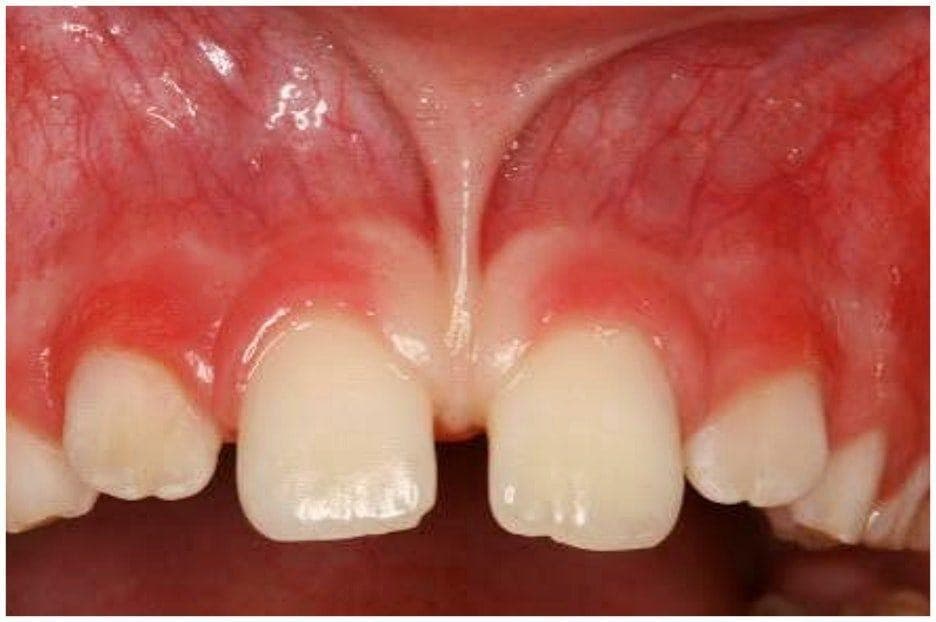
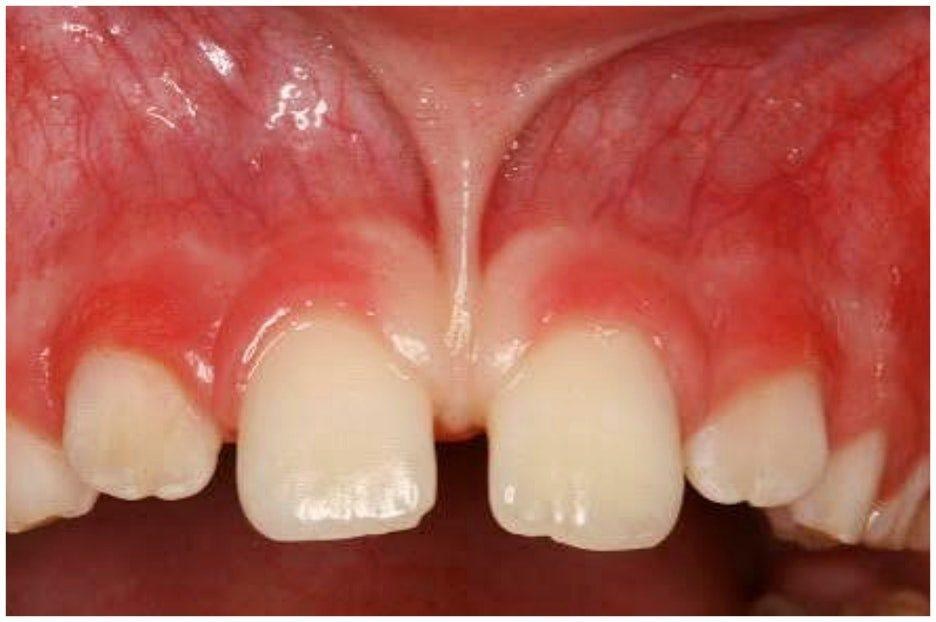
Common causes are teeth that are narrow, teeth that have spread apart, or teeth that have been pushed after another tooth was lost. A gap between the two central front teeth is called a midline diastema; it's more common than you might think, and it has several causes[1].
- The teeth are narrow, leaving extra space (microdontia)
- The teeth are wide enough, but they've spread apart
- The front teeth have been pushed because a molar was lost or the gums weakened
If the front teeth were pushed because a molar was lost, the same force comes back even if only the front teeth are filled in. I look at why the gap formed first.
If the cause lies outside the front teeth, such as a missing molar or gum disease, the gap is likely to open again whatever method is used to fill it, unless that cause is treated. That's why at the consultation I don't look only at the front teeth but at the whole bite and the gums together. A literature review reported pathologic tooth migration, where teeth are pushed out of place, in about 30–56% of people with gum disease, and loss of the bone around the teeth was named as the main cause[4].
How do composite resin, porcelain veneers, and orthodontics differ?
| Category | Composite resin | Porcelain veneers | Orthodontics |
|---|---|---|---|
| Suitable gap | Narrow | Medium, or when also changing color and shape | Wide, with teeth wide enough |
| Tooth reduction | Almost none | Laminate veneers trim the front slightly; Brinate is not shaved | None |
| Duration | Usually same day | Laminate veneers same day on days when it is possible; Brinate about 1–2 weeks | A few months in mild cases |
| Limits | Discolors easily and is weaker than ceramic | With a wide gap, the teeth look wide | Takes time and needs a retainer |
None of the three is the best treatment. It depends on the size of the gap, the width of the teeth, and what you want to preserve, and sometimes two are used together in sequence.
What kind of gap is composite resin suited for?
When the gap is narrow and the color and shape can stay as they are. Of the three, it's the method that does the least to the tooth; in many cases the front surface isn't ground much and it's finished the same day (front tooth resin). However, resin shrinks as it hardens, creating tiny gaps that pigment can seep into and discolor, and it's weaker than ceramic, so its lifespan is shorter if you grind your teeth or have a habit of biting things off with your front teeth. A systematic review of studies on front tooth resin found that the yearly failure rate varied widely between studies, and the most common reason for failure was fracture[2].
What kind of gap are porcelain veneers suited for?
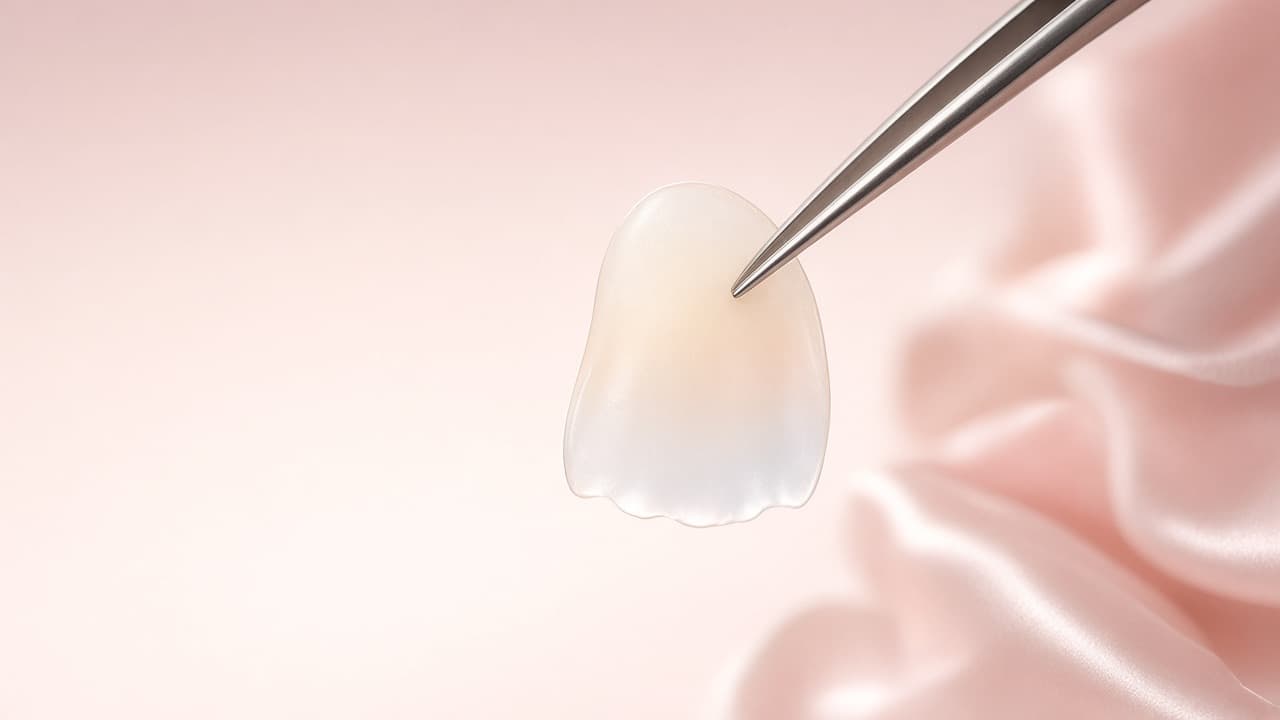
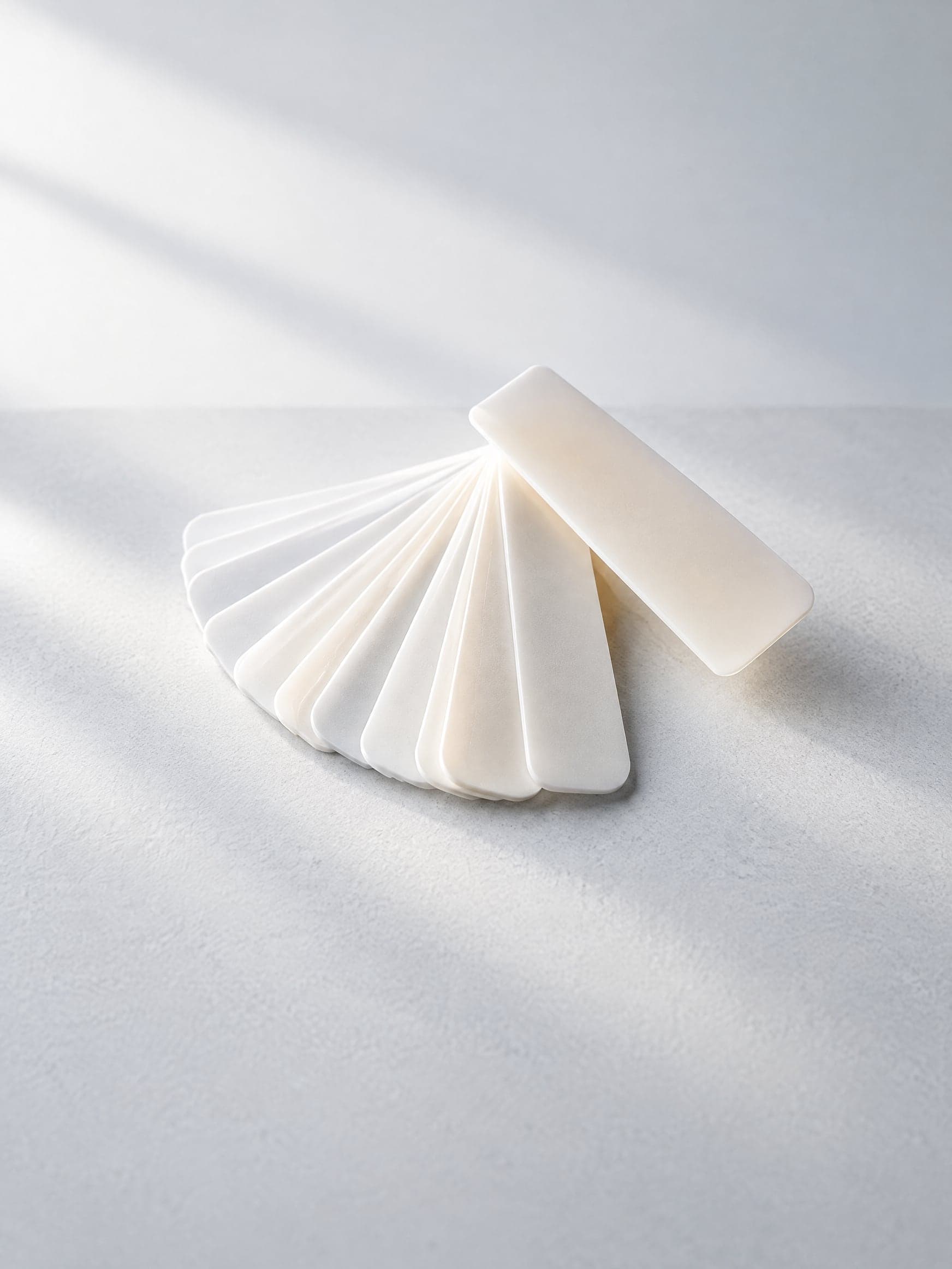
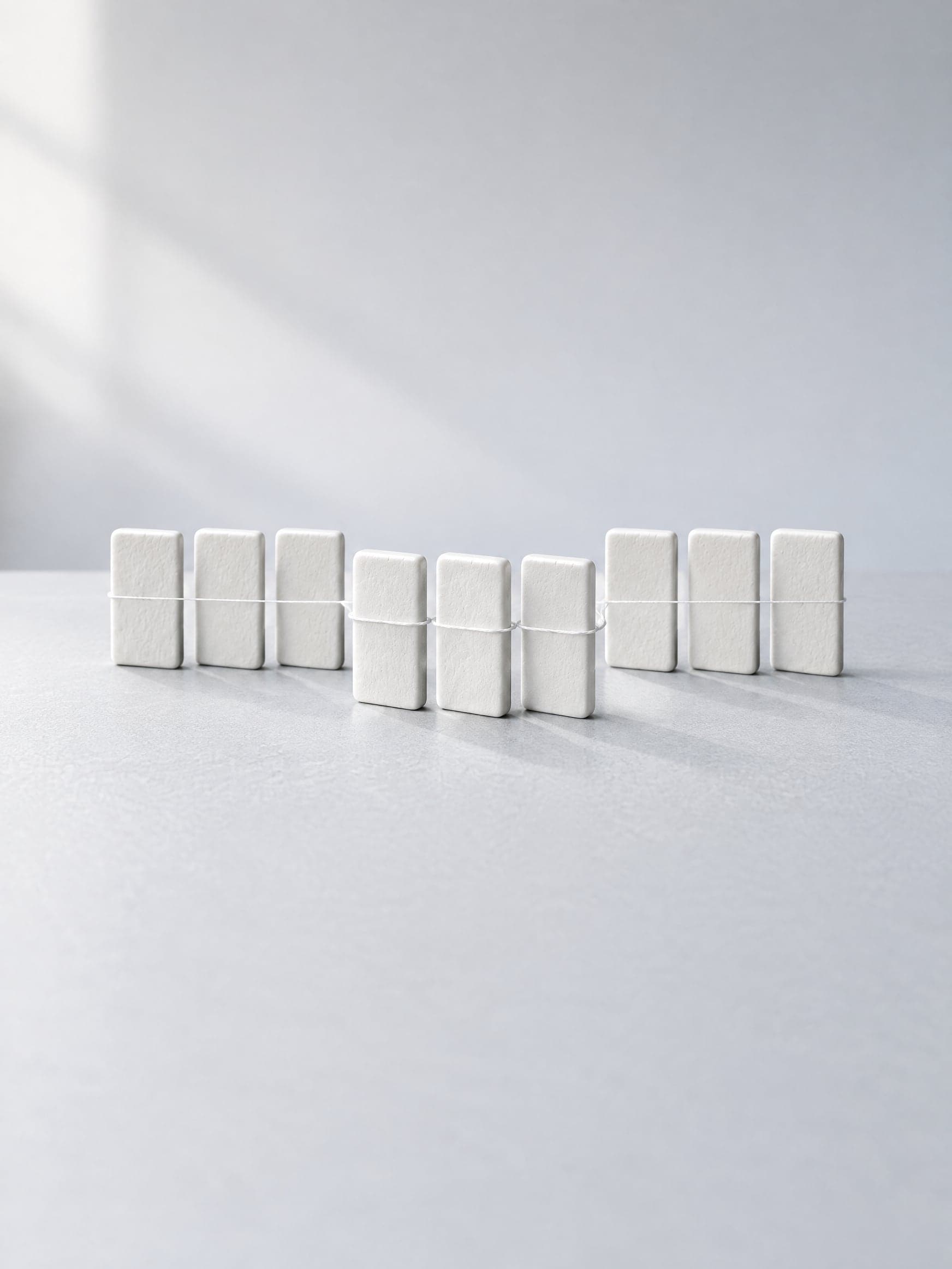
When you want to change the color and shape as well as close the gap. If the teeth sit toward the inside and there's room, no-cut Brinate can be placed. However, adding thickness to teeth that are already wide to fill a wide gap makes them look wide, and if the teeth are pushed forward, veneers aren't placed. The conditions for bonding without grinding are summarized in Can gapped front teeth be closed without grinding? In a randomized clinical trial that closed multiple front-tooth gaps with either resin veneers or porcelain veneers, the survival rates over 2 years were similar, at about 93% and 95%[3]. However, staining and surface roughness were seen more often with resin[3].
What kind of gap should be closed with orthodontics?
When the teeth are wide enough and only the gap is wide. Because the teeth are moved rather than filled in, they don't look bigger, but it takes time; a mild gap often takes a few months. When only the front teeth are brought together, it's partial orthodontics; if the bite is also addressed, the scope is widened. If the teeth look small after the gap is closed, they're sometimes refined at that point with minimal composite resin or porcelain veneers. Crowns involve grinding a lot of tooth, so I don't recommend them for teeth that only have a gap.
How we do it at Wonjin Dental
I decide among the three after looking at the cause, the width, and the position of the teeth, and I don't push any one of them. Brinate is ₩550,000 (Build-up) to ₩990,000 (Platinum) per tooth, a machine-milled porcelain veneer is ₩330,000, partial orthodontics (MTA) is ₩1,800,000, and composite resin is ₩100,000–₩300,000 depending on the area (as of September 2026; cosmetic treatments include VAT). Detailed prices are on the full fee list. I don't choose among the three based on budget alone; I first tell you how much of your current teeth can be preserved.
Frequently asked questions
If I leave a gap between my front teeth alone, will it get wider?
It depends on the cause. If teeth are being pushed by gum disease or a molar is missing, the gap can gradually widen, so checking the cause comes first.
Can front teeth closed with orthodontics open up again?
If you don't use a retainer, they can open up again[5]. After closing the gap, a fixed retainer is often bonded behind the front teeth.
Can a gap filled with composite resin be changed to porcelain veneers later?
Yes. After the existing resin is removed, veneers are planned based on the condition of the teeth.
How long does composite resin used to close a front tooth gap last?
There's no set period. If you eat a lot of pigmented foods, bite things off with your front teeth, or grind your teeth, discoloration or chipping can come sooner, so it's regularly polished and checked.