When can a front-teeth gap be closed without trimming?
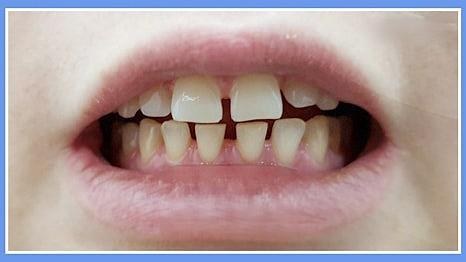
When the front surfaces of the teeth sit inside the line of the dental arch, and the width-to-height proportions won't look awkward after closing the gap. When asked, “My teeth have a gap — you can close it without trimming, right?”, I look at the position of the teeth before the gap.
- The gap is relatively narrow, so closing it won't make the teeth look wide.
- The teeth are narrow, as with undersized (peg) teeth, so there is room to add.
- Enamel (the outer layer of the tooth) remains and the gums are healthy.
- The front teeth don't bite together hard.

When is no-prep not possible even with a gap?
| Condition | No-prep |
|---|---|
| Gap present, teeth sit inward | Placed |
| Teeth stick out or flare forward | Not placed |
| Crowding or rotation | Move the teeth, or contour slightly within the enamel |
| Deep bite or teeth grinding | Thin porcelain is not the first choice |
If you bond veneers without trimming onto teeth that flare forward or a mouth that protrudes, they look even more prominent. In places where the front teeth hit hard, such as a deep overbite or an edge-to-edge bite, or where grinding and clenching are severe, thin porcelain chips or comes off easily. If it can't be done, I'll tell you it can't be done.
What if the gap is wide?
If the whole gap is filled using only the two front teeth, they look too wide. In that case, we either spread the gap across the neighboring teeth and add a little width to each, or reduce the gap first with partial orthodontics and then place the veneers. If the space is filled but the front teeth look wide, we rethink the scope and method.
How to choose between orthodontics, composite, and porcelain veneers is covered separately in How to choose treatment for a front-teeth gap. In short, orthodontics moves the teeth but leaves the color as it is, composite closes small gaps quickly, and porcelain veneers are considered when changing the gap, color, and shape together.
Do you look at the cause of the gap too?
Yes. If the cause remains, gaps open elsewhere or the porcelain comes off even after closing the gap.
- Teeth that are small (undersized teeth) or narrow relative to the jaw
- The band connecting the upper lip and gum (labial frenum) attached low
- A habit of pushing the front teeth with the tongue
- Teeth spreading apart because gum disease has caused bone loss
If the gap is due to gum disease, gum treatment comes first. I don't place porcelain on loose teeth.
If the cause is a habit, reducing that habit even after the gap is closed is a condition for the result to last. If you tend to push your front teeth with your tongue, the same force keeps acting on the bonded porcelain.
Care after closing the gap matters for the same reason. Where the gap was closed, the teeth now touch in a new spot, so food tends to get caught. Clean the margins daily with floss, and don't bite through hard foods with your front teeth. Checking the porcelain margins and gum condition at regular check-ups lets us catch even small lifting early. For the first few days, it feels different where it touches the tip of your tongue and may seem odd, but you usually get used to it soon.
How we do it at Wonjin Dental
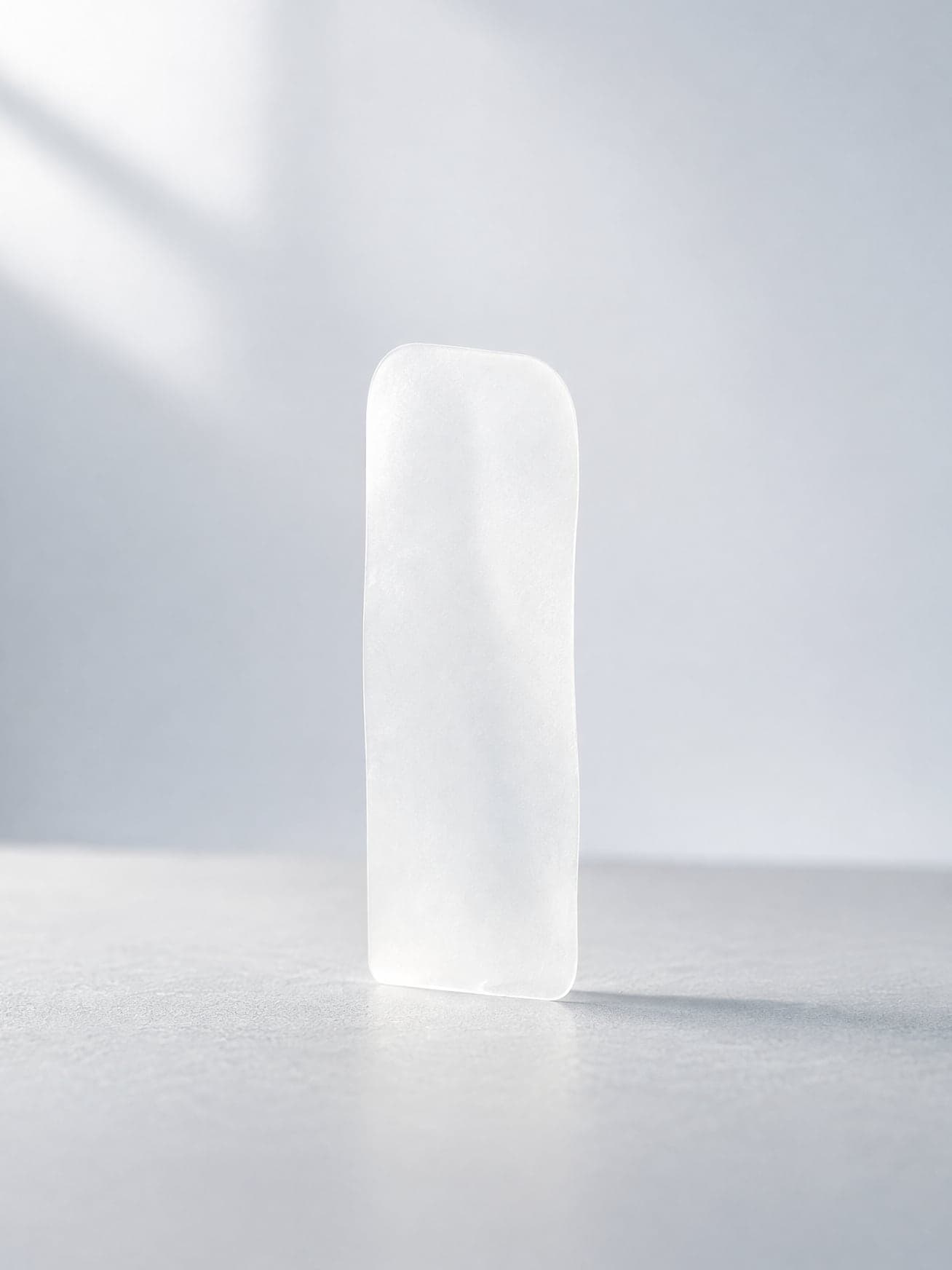
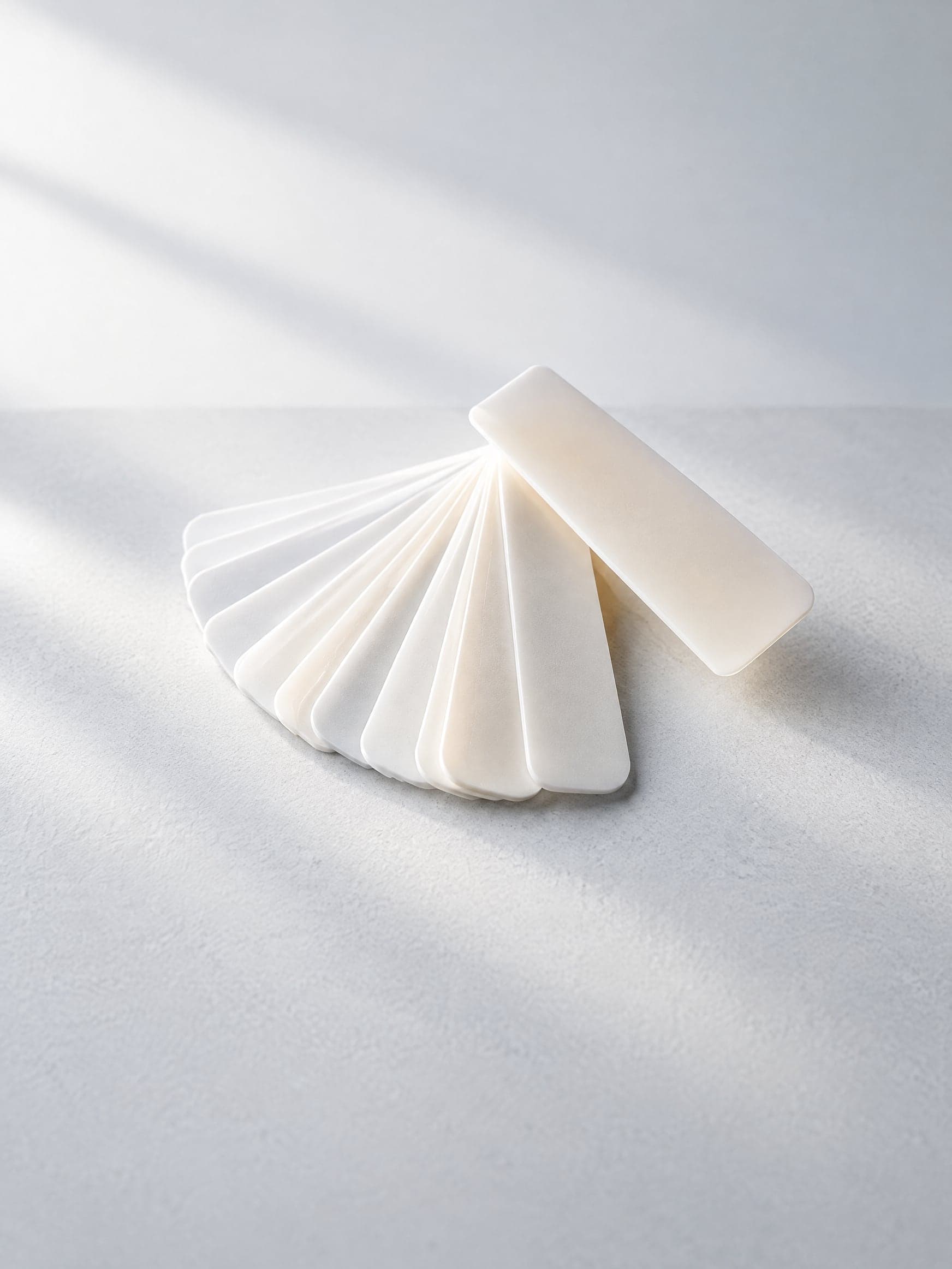
I look first at whether the front surfaces of the teeth sit inside the line of the dental arch, before the size of the gap. If they sit inward and there is space, I discuss Brinate, which is placed without trimming. Since nothing is trimmed, there's no anesthesia and no temporary teeth.
| Type | Thickness and time | Cost per tooth |
|---|---|---|
| Basic | 0.3mm, same day possible | ₩330,000 |
| Build-up | 0.1mm, about 1 week | ₩550,000 |
| Platinum | 0.1mm, about 2 weeks | ₩990,000 |
As of September 2026, VAT included (cosmetic treatment). Other items are in the full fee list. If the teeth stick out forward or there is a skeletal protruding mouth, I don't place them. After bonding, we check the porcelain and gum margins regularly.
Frequently asked questions
How many teeth need to be done to close a single gap between the front teeth?
If the gap is small, it's often filled by splitting it between the two front teeth. If the gap is large, we may extend the scope to the neighboring teeth to keep the proportions right.
Will the gap open again after closing it with no-prep veneers?
The bonded porcelain itself doesn't spread apart. However, if causes such as gum disease or a tongue habit remain, gaps can form elsewhere.
Are the criteria the same for gaps between the lower front teeth?
Yes. If the teeth sit inward and there is space, we place them; if the upper and lower teeth hit hard, thin porcelain is not the first choice.