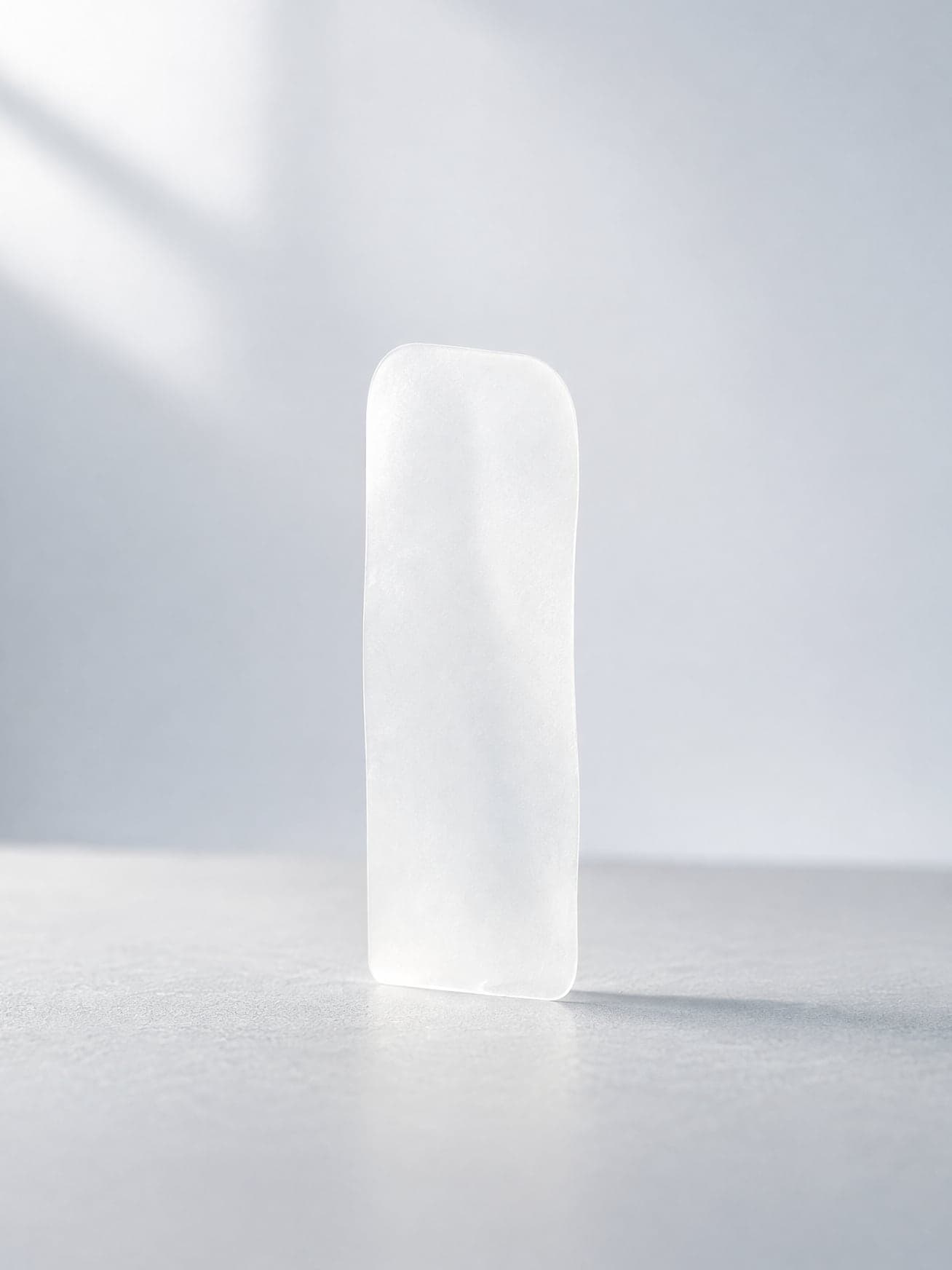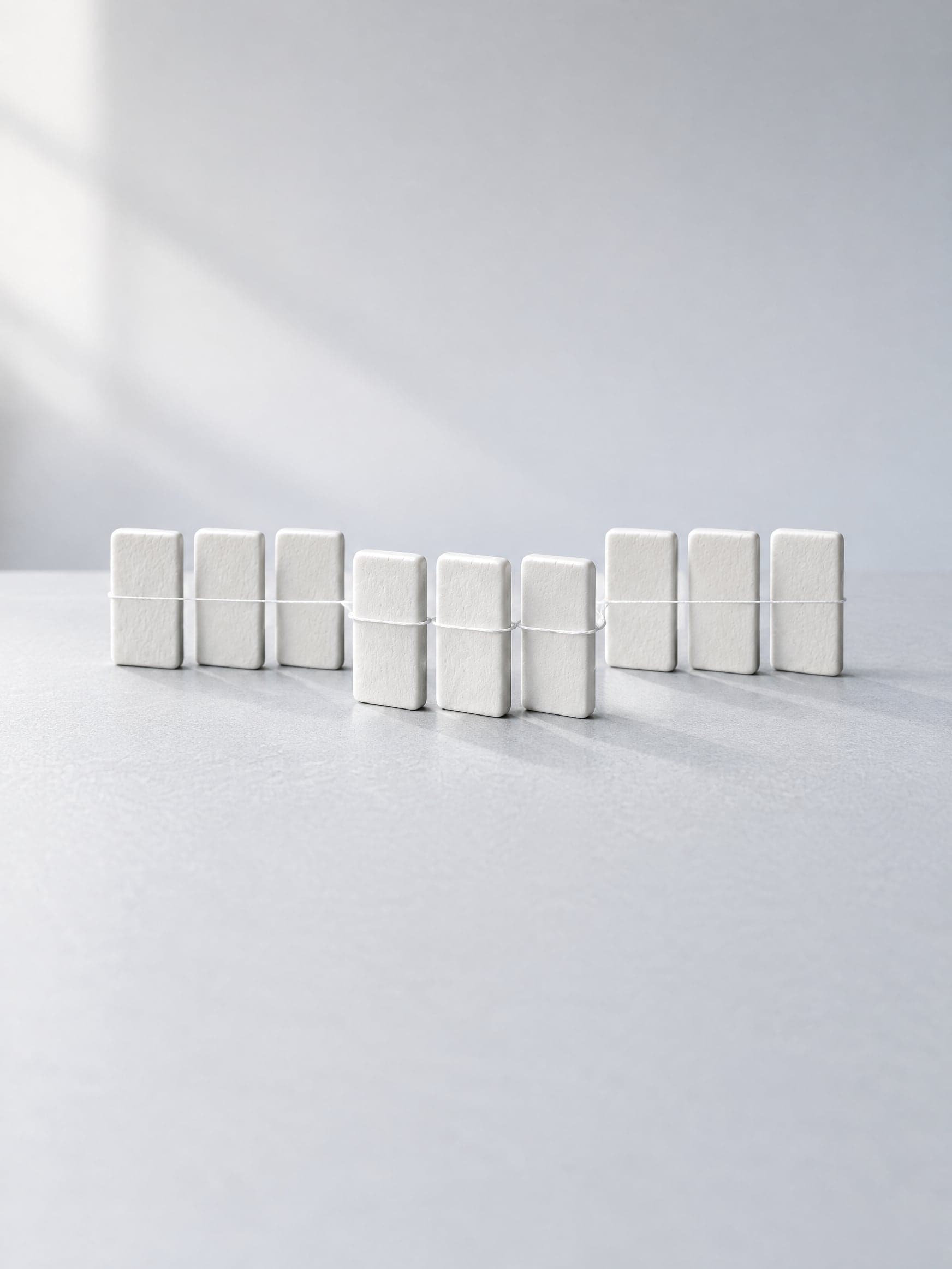
Why does enamel need to remain for porcelain veneers?
Because bonding is strongest on enamel. Enamel is the hard layer covering the outside of the tooth, and the dentin beneath it has fine tubules connected to the nerve. When dentin is exposed, bonding becomes weaker and sensitivity develops more easily, and once enamel is removed, it does not grow back.
The neck of the tooth near the gums (the cervical area) in particular naturally has thin enamel, so drilling even a little too deep exposes the dentin right away. I don't drill deep into the cervical area.
When people around you discourage veneers, it's usually because of drilling the teeth. A tooth that has been drilled doesn't come back, so I think it's right to talk first about what remains, rather than how many mm are removed.
Why does “no-prep” have two meanings?
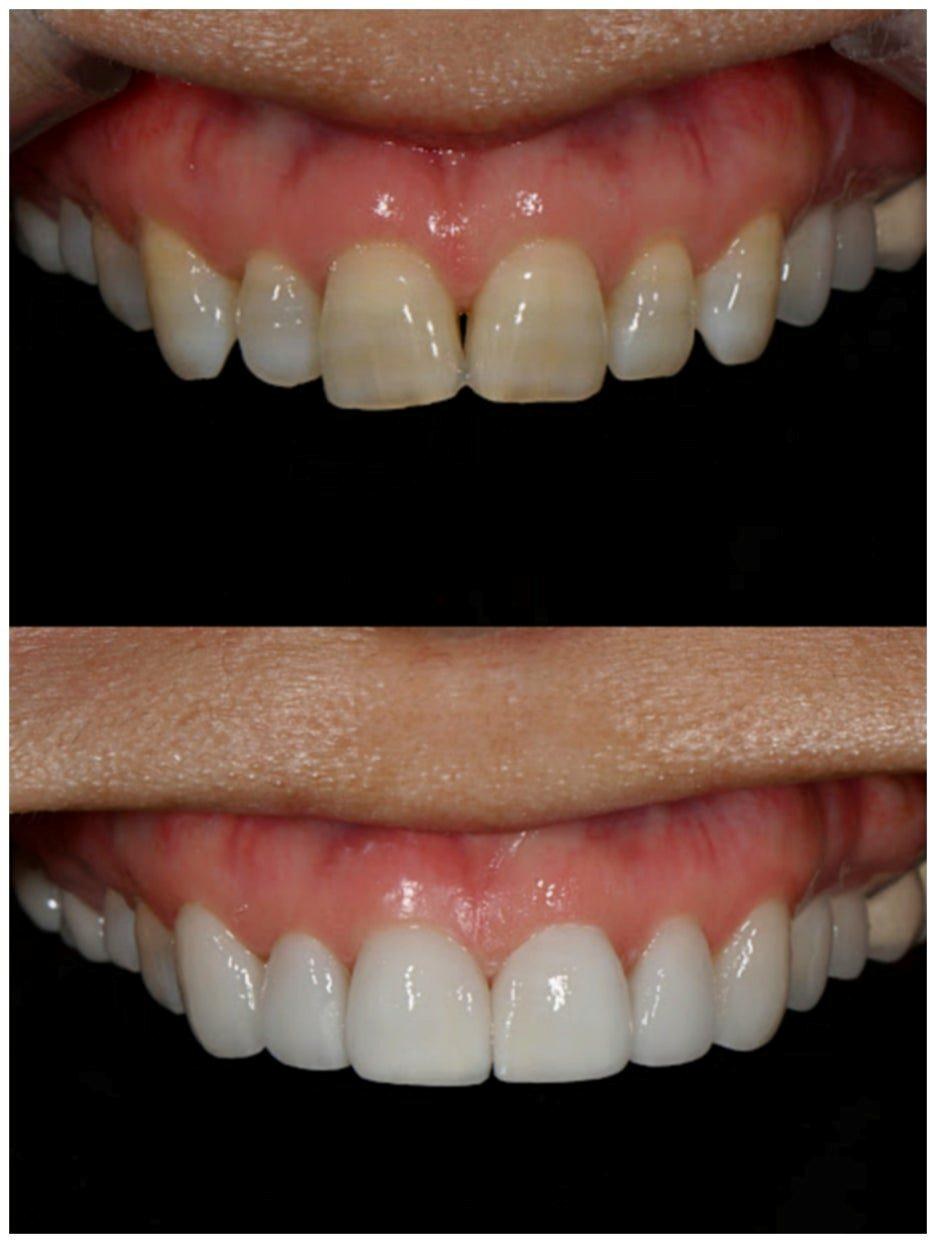
“They say it's no-prep, so you won't touch the tooth at all, right?” I hear this question very often in the treatment room. What people call no-prep broadly comes in two kinds.
| Term | What it actually means |
|---|---|
| No-prep (placed on top) | The front surface isn't drilled; only the bonding surface is smoothed |
| Minimal prep called no-prep | Includes removing a very small amount of enamel |
If these two aren't distinguished at the consultation, what you expected and what actually happens won't match. Before starting, ask how much will be reshaped and why. I also covered this in Do no-prep veneers really involve no drilling?.
Which teeth can have veneers placed without drilling?
If the alignment is even, the teeth are small, and they don't stick forward, I look at the no-prep option. It isn't about making room by drilling the teeth, but about adding thin porcelain onto the front surface that's already there.
| Current front teeth | Treatment |
|---|---|
| Even, small, not sticking forward | Placed without drilling |
| Sticking out a little or slightly crooked | Moved, or reshaped only within the enamel |
| Snaggle teeth, large teeth, buck teeth | Not placed |
| Skeletal protrusion | Not bonded |
If the teeth stick out a little or are slightly crooked, there are two paths: move them and then place veneers, or reshape only within the enamel. Drilling a lot to finish quickly causes sensitivity and reduces the treatments you can choose later.
Do thin veneers break easily?
It isn't determined by thickness alone. Looking at the number alone, thinner seems better, but it's a structure that has to withstand chewing and impact every day. Thin porcelain is weak before bonding, but once it's bonded to enamel and the bite is adjusted, it takes force together with the tooth. Fractures are more often linked to the bonding surface, the bite, and teeth grinding. It holds up only when the material, thickness, bonding, and bite all fit together.
How we do it at Wonjin Dental
I look first at whether enamel remains after preparation, rather than how much is removed. I don't take the route of drilling a slightly protruding tooth a lot to finish quickly; I first suggest moving it with partial orthodontics so less needs to be removed. For a treatment that doesn't leave you needing to cover the tooth forever, enamel has to be preserved from the start. Even with the same number, if the remaining enamel differs, the treatments you can choose next will differ, and porcelain that has been bonded once won't leave the tooth exactly as it was, even after removal.
Brinate, which is placed without drilling, comes in Basic 0.3mm (same day possible), Build-up 0.1mm (about 1 week), and Platinum 0.1mm (about 2 weeks), with no anesthesia and no temporary tooth.
Frequently asked questions
How much is usually removed for conventional porcelain veneers?
Generally, about 0.3–0.7mm is often removed from the front surface, and more may be removed if a lot of color needs to be masked. Enamel thickness differs for each tooth, so the same number gives different results.
Does a tooth go back to how it was once it has been drilled?
No. Enamel does not regenerate, so a drilled tooth often has to stay covered with a restoration.
Won't the teeth look thick if they aren't drilled?
If the teeth sit further back or are small, it actually brings them into line. Teeth that already stick out or are large would look thick, so I don't place veneers on such teeth.
How do I check how much will be removed at the consultation?
It's good to preview the finished result and hear an explanation of which surfaces will be reshaped, by how much, and why. If there will be no drilling, confirm that; if there will be slight reshaping, confirm that it stays within the enamel.