How much is usually ground down for porcelain veneers?
There is no fixed number. The goal is to finish the reduction within the enamel (the outer layer of the tooth). The enamel on the front of the front teeth is thin near the gums and gets thicker toward the edge, so trimming the same amount reaches the dentin first near the gums. The reduction criteria for each tooth are covered separately in the article on how much front teeth are reduced for porcelain veneers.
Compared with a crown, the difference is clear. A crown requires grinding the tooth all the way around to cap it, while a porcelain veneer covers only the front surface and part of the edge. So veneers are by nature a treatment with less grinding, and to keep that advantage, the reduction has to end within the enamel.
| Current tooth | Grinding tendency |
|---|---|
| Peg-shaped or small teeth | No grinding or very little |
| Average size and alignment | Trimmed only within the enamel |
| Protruding or large teeth | Not placed as is; moving the teeth comes first |
What’s the problem with grinding a lot?
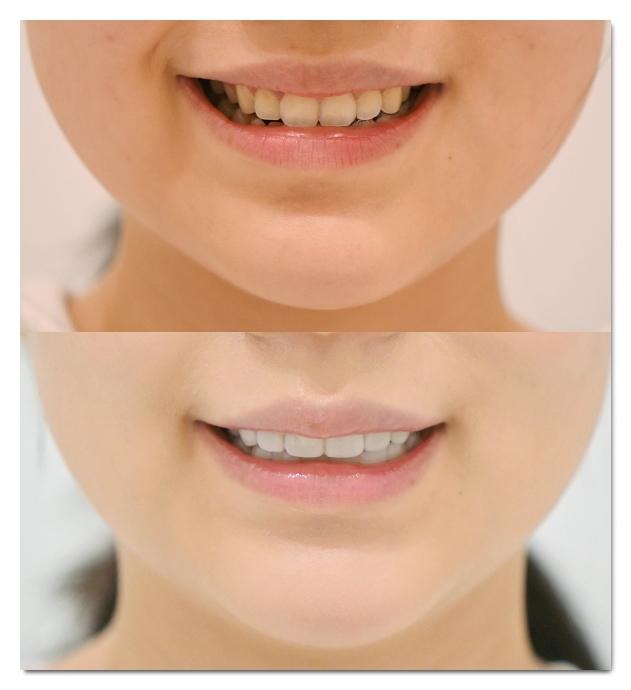
I often hear, “The reviews scare me.” The regrets I see lie not in the fact of having veneers, but in front surfaces that were cut away more than necessary. The problem isn’t the reduction itself but how much was ground down, and why.
- When the dentin is exposed, sensitivity to cold water and air lasts a long time.
- Bonding to dentin is weaker than bonding to enamel.
- If it goes deeper, it puts stress on the nerve.
- Your options for the next treatment shrink. When redone, it sometimes has to move to a crown.
How can grinding be reduced?
- Move the teeth first. For overlapping or protruding teeth, creating space with partial orthodontics before placing the veneers reduces grinding.
- Make the porcelain thin. The thinner it is, the less space needs to be made.
- Trim the gumline area (cervical area) more shallowly. This is where the enamel is thinnest.
- Check the final shape in advance and trim only where needed.
The order is not to grind to make room, but to make room so that less grinding is needed. Even if it takes a little longer, protecting healthy teeth is the better choice.
Partial orthodontics that moves only a few front teeth usually finishes within a few months. Once the teeth settle after orthodontics, the porcelain is placed, and a retainer is used as well so the moved teeth don’t shift back. Those few months leave you enamel to use for a lifetime.
When does not grinding actually look unnatural?
It happens. If a tooth is already large or slightly protruding and a veneer is placed with almost no grinding, the front teeth look big and stick out. For such teeth, trimming very slightly within the enamel looks more natural. We don’t place veneers on teeth that already protrude or on a skeletal protruding mouth. Whether to go no-prep or to reduce is decided not by trends but by your current teeth.
How we do it at Wonjin Dental
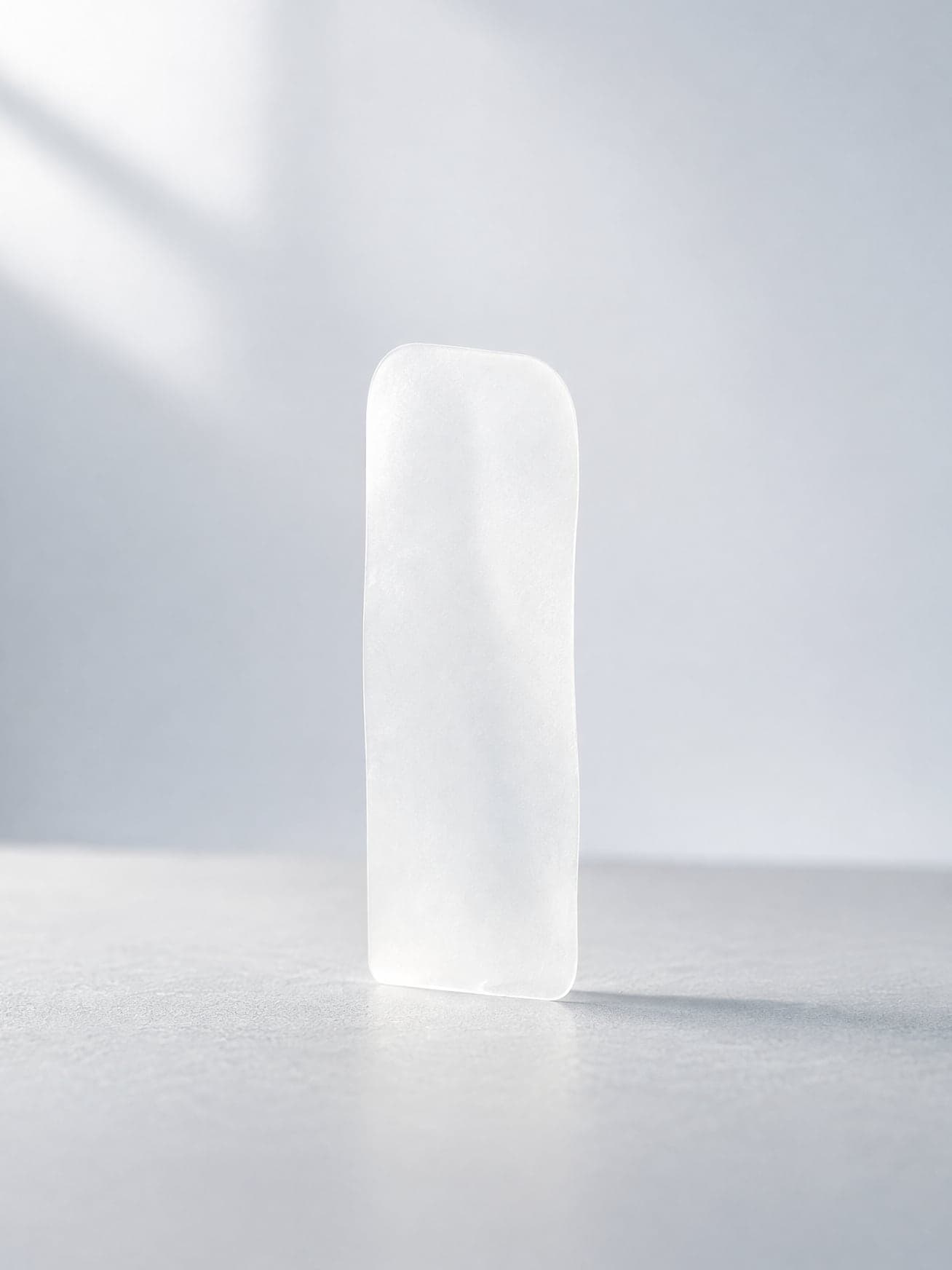
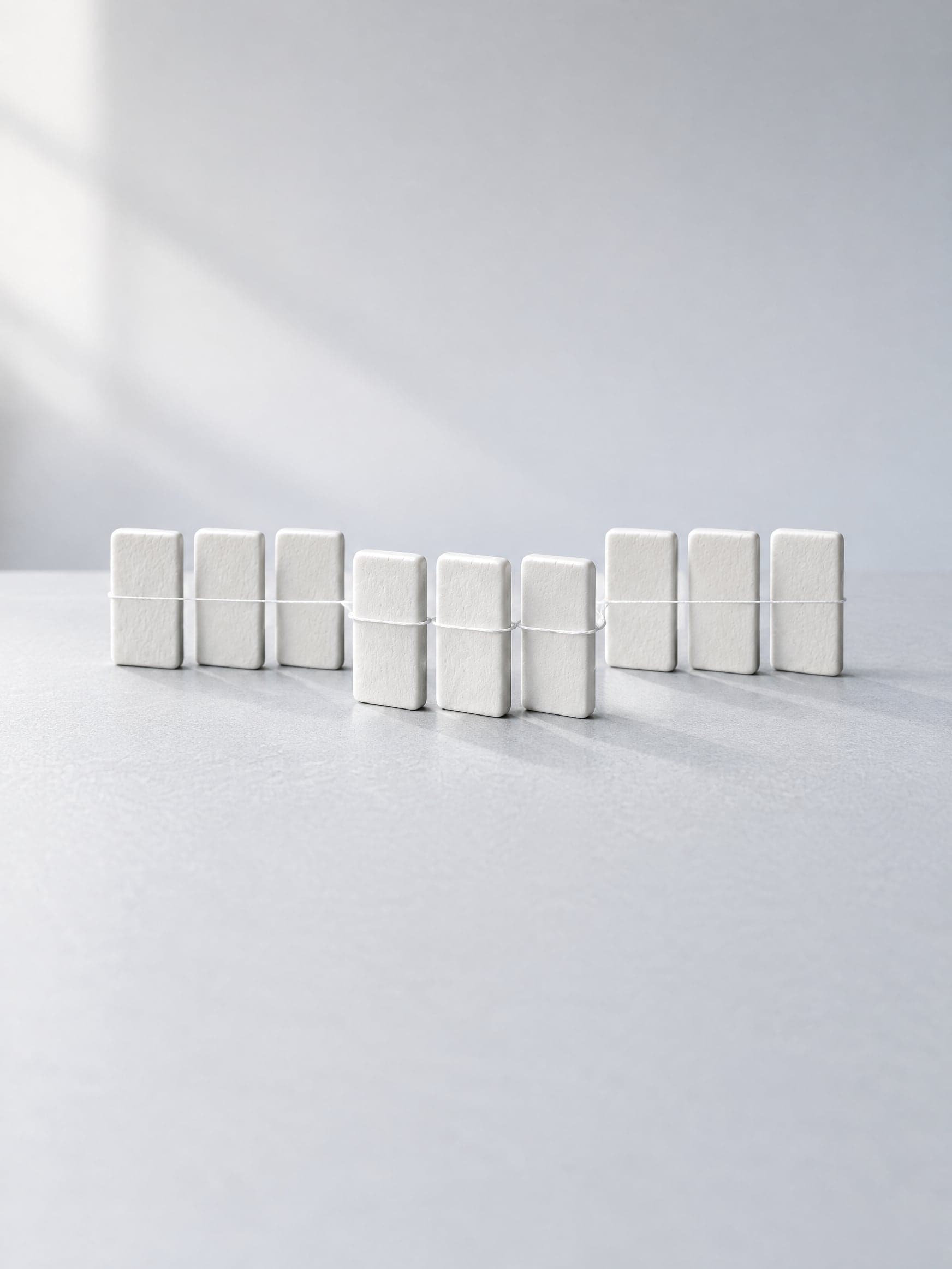
In a consultation, rather than numbers, I first tell you whether there is a reason to grind this tooth. If there is no reason, we don’t grind; if there is, I show you in the mirror how far into the enamel it goes. For teeth that don’t need grinding, I talk about Brinate (Basic 0.3mm same day, Build-up and Platinum 0.1mm). It is ₩330,000–₩990,000 per tooth (as of September 2026, VAT included), and detailed prices are in all fees.
Frequently asked questions
How long does sensitivity last after porcelain veneers?
If the reduction stayed within the enamel, there is often mild sensitivity for a few days right after placement, which then fades. If it continues or gets worse after several weeks, we check the margins and bonding again.
Can a tooth that has already been ground down a lot be restored?
Enamel doesn’t grow back. Instead, we can find the next treatment that suits the remaining walls. If a wide area of dentin is exposed, a crown that wraps around the tooth sometimes lasts longer than thin porcelain.
Can I know the amount of reduction in advance?
At the consultation, you should be able to hear which surface of which tooth will be trimmed and why. It differs from tooth to tooth, so ask for a tooth-by-tooth explanation rather than a single number of millimeters overall.
Do I get temporary teeth if the teeth are ground down?
If the ground surface is exposed and sensitive or uncomfortable to look at, temporary teeth are sometimes placed until the porcelain is ready. With Brinate, which is placed without grinding, there is nothing to cover, so there are no temporary teeth.