What should I be careful about at each stage after wisdom tooth extraction?
This is because the blood clot that forms in the extraction site covers the bone and becomes the foundation for new gum to grow. If this layer comes loose from pressure or irritation in the mouth, the bone becomes exposed, which can lead to dry socket with severe pain. From what I see in the clinic, wisdom tooth extraction is often more uncomfortable over the following 2–3 days than on the day itself. Swelling is usually greatest on day 2–3 and mostly goes down within about 1 week. It is also a common course for the cheek to bruise and then fade to yellow.
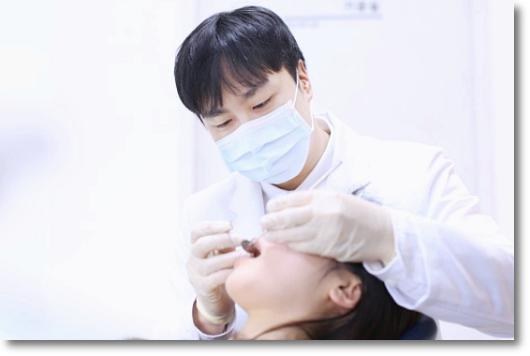
| Timing | Eating | Brushing and rinsing | Exercise and daily life |
|---|---|---|---|
| Same day | Lukewarm, soft food after the anesthesia wears off | Brush while avoiding the extraction site; no spitting or vigorous rinsing | Bite on gauze for the time you are told; no exercise |
| Days 1–3 | Soft food, chewing on the other side | Gently, avoiding the site | Light walking only; postpone saunas and hot baths |
| Days 4–7 | Gradually return to normal meals; be careful with spicy and hard foods | Gently around the extraction site too | Start with light exercise and build up intensity |
| About 1 week | Don’t use straws | If you have stitches, check the removal schedule | Avoid alcohol and smoking |
When can I eat after wisdom tooth extraction?
Eat once the anesthesia wears off. If you eat while there is still numbness, it is easy to bite your lips and the inside of your cheeks, or to burn yourself because you can’t feel heat.
- Fine to eat: rice porridge, steamed egg, tofu, yogurt, lukewarm soup
- Foods to put off: hard and chewy foods, spicy and salty foods, very hot or cold foods, foods like sesame seeds and other seeds that get stuck in the socket
- Avoid: straws. The suction pressure dislodges the blood clot.
Food doesn’t heal the wound. It only reduces irritation so the blood clot can hold.
When can I brush after wisdom tooth extraction?
From the same day. However, for 2–3 days, brush only the other teeth while avoiding the extraction site, and don’t rinse vigorously or spit. That pressure also disturbs the blood clot. Use mouthwash only as directed, just holding it in your mouth and letting it flow out. Brushing without touching the wound comes before getting everything perfectly clean.
After about three days, start gently brushing around the extraction site as well with a soft toothbrush. If food gets stuck in the socket, don’t force it out; just hold water in your mouth after meals and let it flow out. If it is lodged deep and won’t come out, we will rinse it out at the clinic.
How many days off exercise after wisdom tooth extraction?
For 2–3 days, skip exercise that leaves you out of breath, such as weights or running. When your heart rate and blood pressure rise, the extraction site can bleed again or the swelling can increase. Stretching and light walking are fine, and you can slowly raise the intensity from day 4. For people who exercise regularly it is a frustrating few days, but those few days are when the blood clot settles in.
How we do it at Wonjin Dental
Extraction and panoramic X-rays are covered by Korean National Health Insurance. After the extraction, I tell you that if antibiotics were prescribed, you should finish the course even once you feel better, and that taking the first painkiller before the anesthesia wears off makes the pain easier to manage afterward. Tips on using painkillers are also in what to do when a toothache is severe.
Pain and swelling can continue for 2–3 days. However, I recommend contacting us the same day if you have the symptoms below.
- Pain that doesn’t ease on day 2–4 and suddenly gets worse (see dry socket symptoms)
- Bleeding that doesn’t stop even when biting on gauze
- Swelling that keeps growing after three days, or fever and chills
- Difficulty opening your mouth or swallowing
If pain and fever come together, I would suspect infection and not put it off.
Frequently asked questions
How long should I use ice packs?
For the first day or two after extraction, repeatedly holding an ice pack wrapped in a towel on the outside of your cheek for 15–20 minutes at a time, with breaks, helps reduce swelling. If swelling remains after that, switch to warm compresses.
When are the stitches removed?
If you had stitches, they are usually removed around 1 week later. If dissolvable stitches were used, they sometimes aren’t removed separately, so check the date you were given.
Can I drink coffee on the day of the extraction?
Hot drinks can increase bleeding, so it’s best to avoid them on the day. From the next day, drink it lukewarm and without a straw.
How should I lie down when I sleep?
On the first night, raising your pillow a little so your head is higher than your heart reduces swelling and throbbing. It is common for your saliva to have a little blood mixed in.