What causes dry socket?
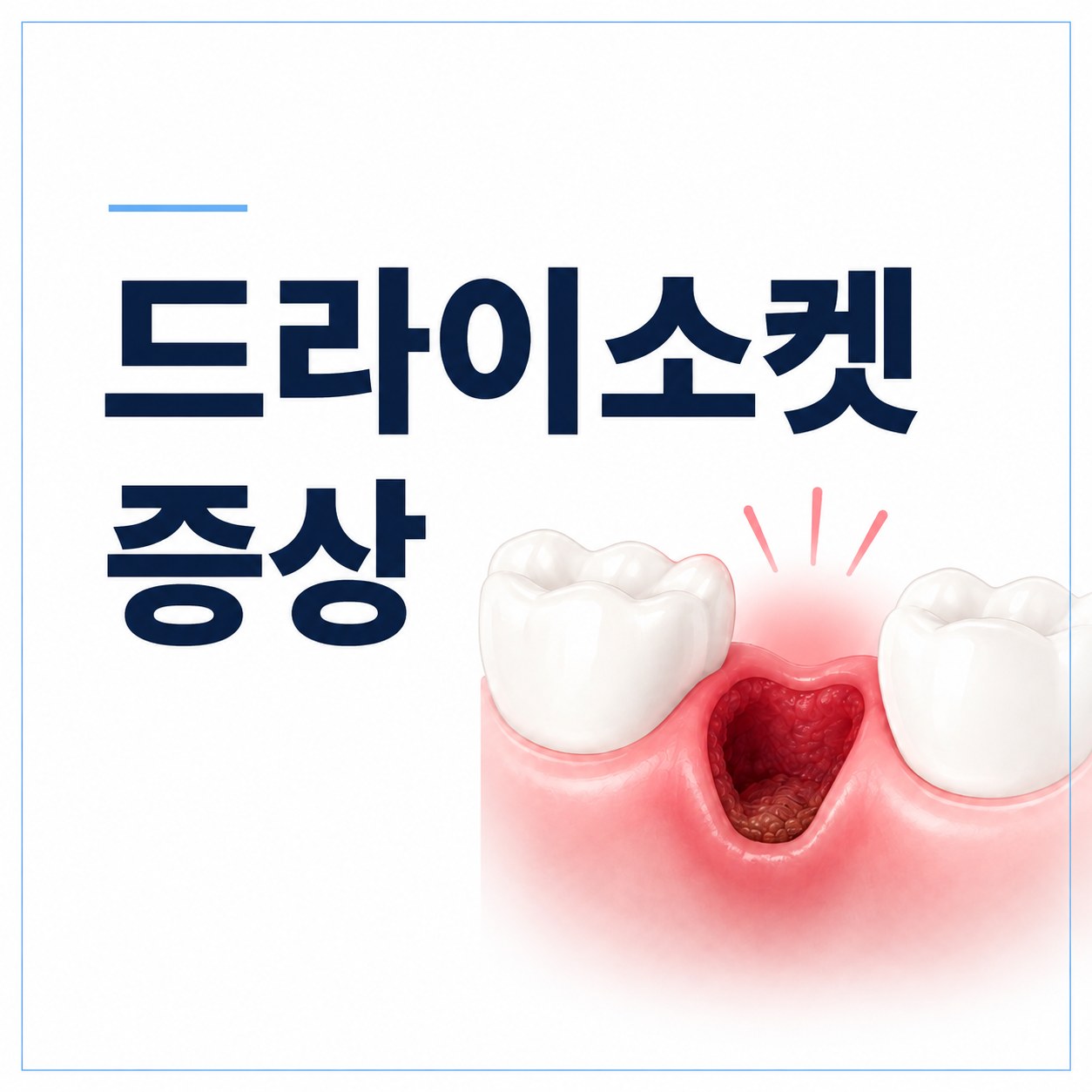
Blood pools in the site where a tooth is removed and forms a blood clot. This clot covers the bone and protects the space where new tissue will grow in. If the clot does not form or comes off early, the bone beneath is exposed, and the severe throbbing that follows is called dry socket (alveolar osteitis).
It is more common after removing lower wisdom teeth, especially impacted wisdom teeth. Factors that raise the risk include the following.
- Smoking
- Actions that raise pressure in the mouth, such as using a straw, rinsing hard, or spitting
- Difficult extractions that involve trimming bone or removing the tooth in sections
- Having had dry socket before
How are dry socket symptoms different from normal pain?
When someone contacts me saying “It’s been a few days, but it actually hurts more,” I first ask how the pain is changing. It doesn’t take every item appearing all at once for it to be dry socket. What comes first is whether it is getting better or worse than at the start.
| Check | Normal extraction pain | Suspected dry socket |
|---|---|---|
| Timing | Worst on the first day and noticeably weaker each day | Actually gets stronger on days 2–4 |
| Spread | Around the extraction site | Spreads to the ear, temple, and jaw |
| Painkillers | Eases considerably | Does not ease well |
| Socket | Covered by a blood clot | Looks empty or bone is visible |
| Taste and smell | No big change | Unpleasant taste, bad breath |
We distinguish it from infection. Dry socket has little swelling or fever but strong pain, while infection often involves a cheek that swells more and more, fever, and visible pus. The two can also overlap, so we look directly and decide.
How is dry socket treated?
The goal is to reduce irritation of the exposed site and protect the healing process. First the site is rinsed to remove food and debris, and then a pain-relieving medication is placed or a dressing is applied. Depending on the condition, the medication may be changed every few days, and it usually settles over 1–2 weeks.
Severe pain does not always mean dry socket. We distinguish whether the clot remains, whether bone is exposed, whether food is lodged deep inside, whether there are signs of infection such as pus or severe swelling, and whether the pain is actually coming from another tooth. If needed, we check for leftover fragments and the surrounding area with X-rays.
How can dry socket be prevented?
All it takes is leaving the clot undisturbed for the first few days.
- Don’t spit hard or rinse your mouth forcefully.
- Don’t use a straw.
- Don’t touch the socket with your tongue or fingers.
- Don’t smoke.
- When brushing, avoid the site and gently clean only around it.
Both the suction of drawing in smoke and the substances in cigarettes are harmful to the clot, so it is best to hold off for at least a few days, and if possible a week. When you can resume eating, brushing, and exercise is laid out by period in brushing, eating, and exercise after wisdom tooth extraction.
How we do it at Wonjin Dental
When someone contacts me about pain after extraction, I first ask, “Is it a bit better today than yesterday?” That is because many people put up with it, assuming it is supposed to keep hurting after a wisdom tooth extraction, and only then come in. I don’t look only at how much it hurts; I first check whether the clot is still there. Extraction and panoramic X-rays are covered by insurance (Korean National Health Insurance). If the pain is too much to manage with painkillers, refer to what to do when a toothache is severe, but rather than waiting at home, get it checked.
Frequently asked questions
If the extraction site looks white, is it dry socket?
We don’t decide by color alone. Healing tissue can also look white or yellow. If the pain is decreasing, it is most likely normal healing.
Does dry socket heal on its own?
It eventually heals with time, but in the meantime the pain is severe and lasts a long time. Rinsing the site and placing medication makes the pain go down faster.
Can dry socket happen after removing an upper wisdom tooth?
It can, but it is less common than with lower wisdom teeth. For both upper and lower, the care to protect the clot in the first few days is the same.
If dry socket develops, is the site stitched again?
It is usually not stitched again. We rinse the site and place medication or a dressing to reduce pain while waiting for new tissue to fill in.