How can one-day veneers be done in a single day?
Because they're made inside the clinic instead of being sent to a dental lab. The teeth are scanned and designed on screen, and then a porcelain block is milled by machine and bonded that day. The method of layering porcelain by hand isn't finished within a day.
In the clinic, I often hear, “I'm in a hurry, so I want it done in a day.” But if the method is chosen based only on the date, the result can be different, so it's better to ask first, “Which method suits my teeth?”
What's the difference between same-day veneers and 1–2 week veneers?
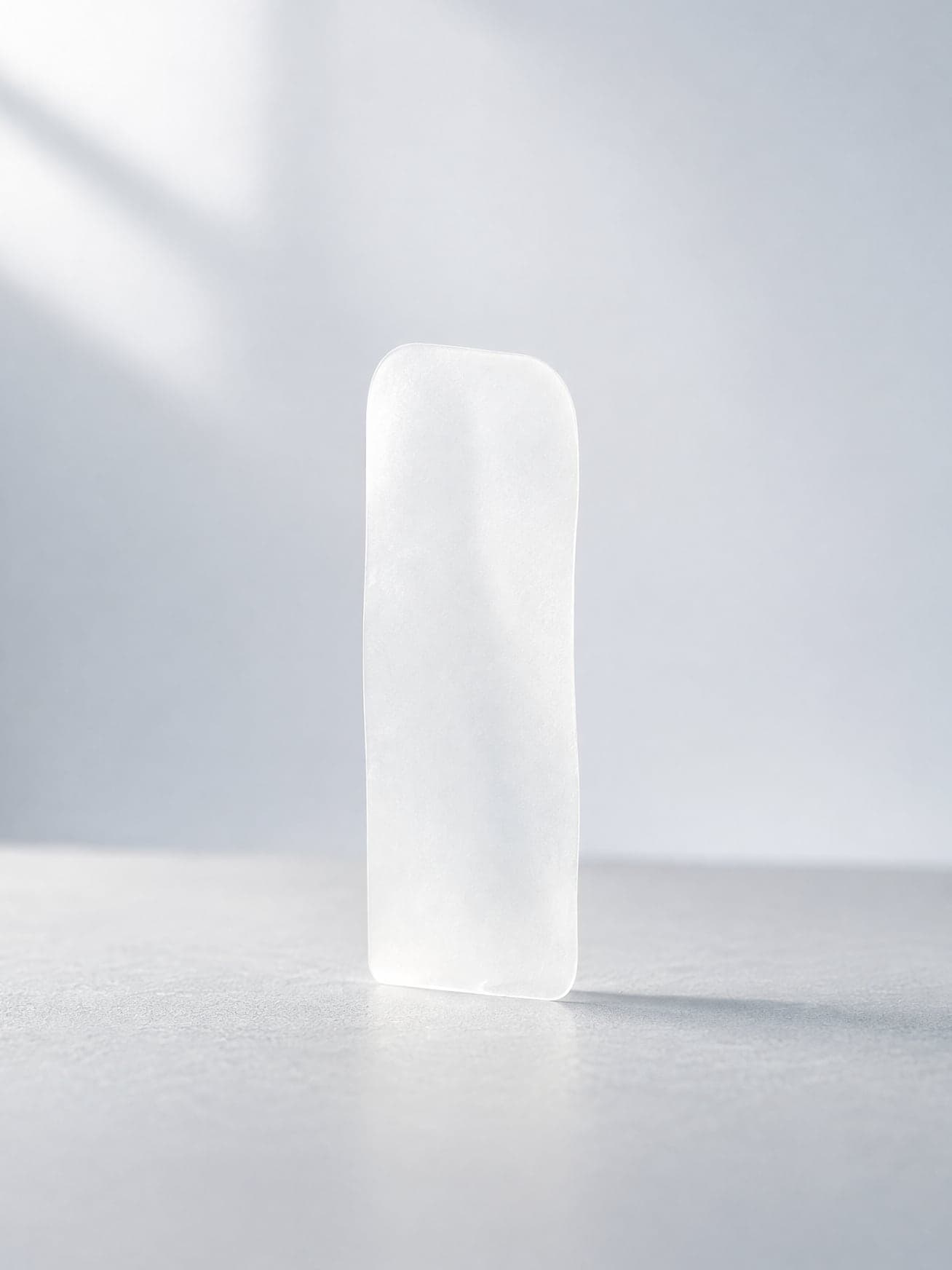
The thickness and the way the color is created are different. Machine-milled porcelain comes from a single-color block, so the color is simple, while hand-layered porcelain has color and translucency added in each layer to blend naturally with the neighboring teeth.
| Brinate | How it's made | Thickness | Time | Price (per tooth) |
|---|---|---|---|---|
| Basic | Milled by machine | 0.3mm | Same day possible | ₩330,000 |
| Build-up | Layered by hand | 0.1mm | About 1 week | ₩550,000 |
| Platinum | Layered by hand | 0.1mm | About 2 weeks | ₩990,000 |
As of September 2026, VAT included (full fee list). All three are placed without grinding, so there's no anesthesia and no temporary tooth.
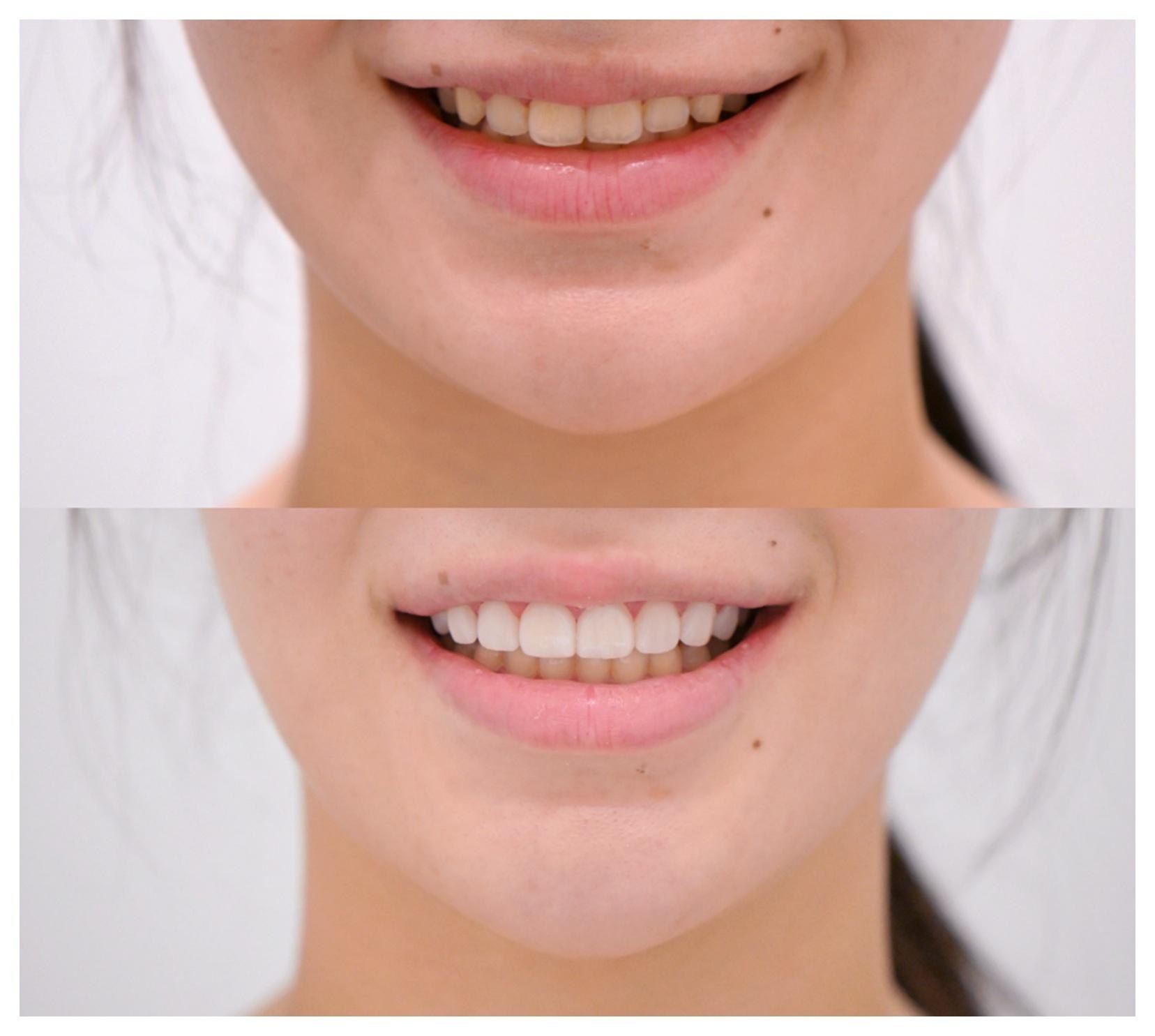
A machine-milled surface comes out uniform, so if it's bonded as is, it can look flat next to the neighboring teeth. I refine the texture and edges of the milled porcelain by hand once more.
What are the steps for one-day veneers?
- Consultation: I check tooth position, bite, and gums.
- Scan: the teeth are scanned instead of taking an impression.
- Design: the length, width, and gum line are set on screen.
- Fabrication: the porcelain block is milled by machine.
- Refining: the edges and surface texture are refined by hand.
- Bonding: after bonding, the bite is checked.
Since there's no grinding, there's no anesthesia, and no temporary tooth is needed to cover the teeth while you wait. If anything feels uncomfortable a few days after bonding, I check the bite again.
When are one-day veneers a good fit?
- When there's a small gap between the front teeth
- When there's room to add width, such as with small teeth (microdontia)
- When matching color and shape in a simple way
- When changing several teeth evenly to the same color and shape
The step that takes the longest in the day isn't the machine milling time, but the time spent on screen deciding where the length, width, and gum line meet. If this step is rushed, the day may be done, but awkward lines remain.
When shouldn't it be done the same day?
If the teeth are pushed forward, the alignment needs to change a lot, or the bite is unstable, I don't bond them the same day. Placing veneers without grinding on teeth that stick out makes them look thick. If there are cavities, gum inflammation, or bite problems, those are treated first.
Care is also needed when doing just one or two teeth. The fewer the teeth, the more their color needs to blend with the neighboring teeth, and a single-color block sometimes makes that blending difficult, so I recommend the hand-layered option.
How we do it at Wonjin Dental
Before the date, I first look at whether the teeth are pushed forward and whether the bite and gums are fine. Then I explain, with reasons, whether Brinate should be milled by machine or layered by hand. Even if you have an important date, I proceed the same day only if your teeth suit that method. When it can't be done, I tell you so up front.
The conditions for same-day treatment can also be found in When can veneers be done the same day?
Frequently asked questions
Do one-day veneers come off sooner?
How many days it takes to make doesn't determine how long it lasts. The bonding surface, the bite, teeth grinding, and the habit of biting things off with the front teeth have a bigger effect on lifespan.
Do one-day veneers involve grinding the teeth?
Brinate Basic is placed without grinding. However, before bonding, there's a step of cleaning the surface and very lightly preparing it for adhesion.
Can I eat right after they're bonded?
Most everyday meals are fine. However, it's best to avoid biting off hard or chewy foods with your front teeth.